Best Pool Cues in 2026: The Complete Buying Guide by Budget
The cues worth shortlisting at every price tier — and the published specs behind each pick.
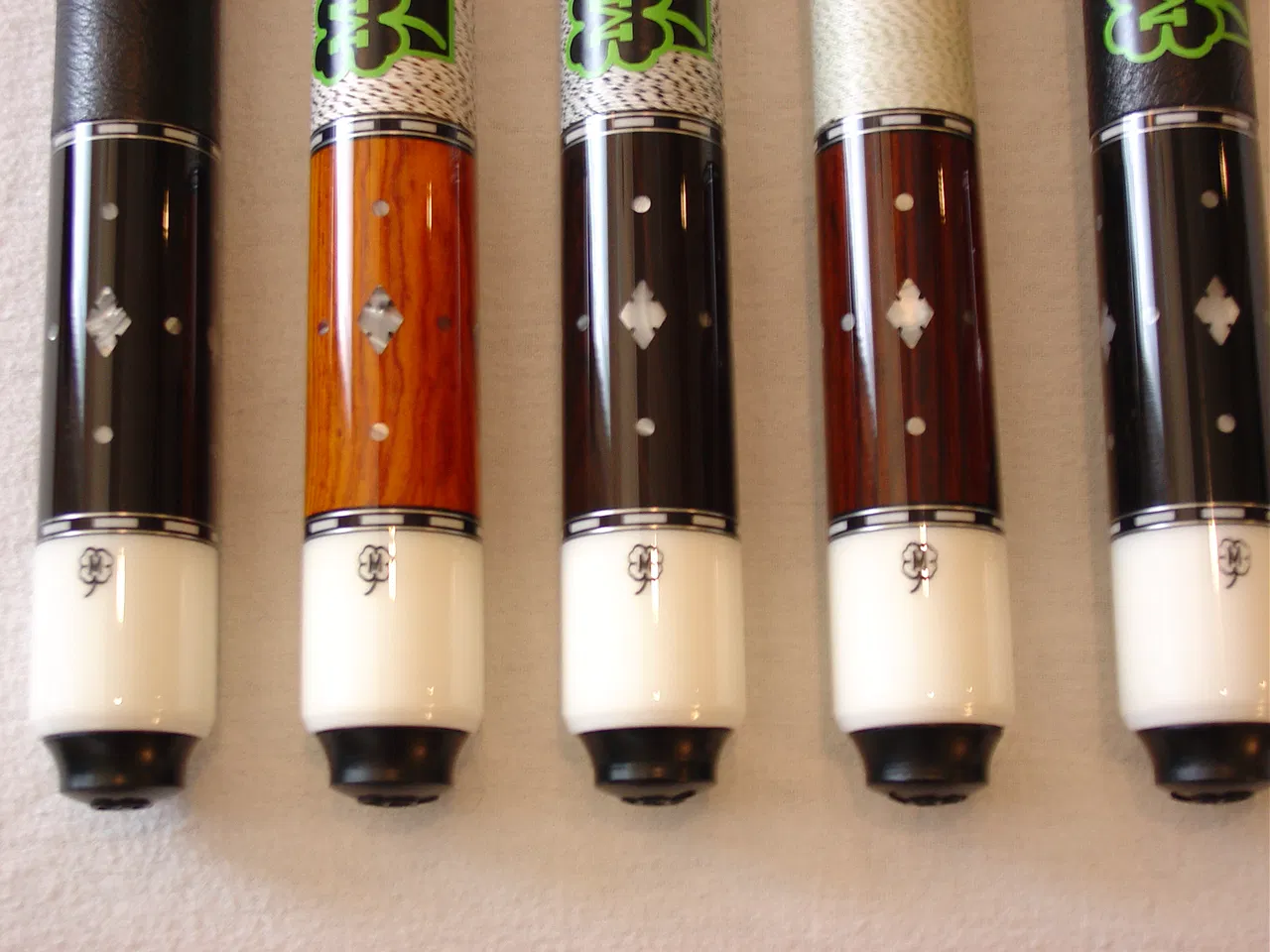
Every "best pool cue" list eventually collapses into opinion, so this one works differently. The picks below are shortlisted on published specifications — shaft material, tip size, joint, weight system, warranty — and on the price each maker actually lists. Nothing here claims hands-on testing; where a spec isn't published, we say so. Prices are MSRP or maker-direct list prices checked against the makers' own pages in October 2026 and spot-verified again on November 5, 2026 — and they drift; re-check before you buy.
Before the budget: what actually changes the hit
Four specs decide most of how a cue plays: weight (most production cues ship at 19 oz and adjust), tip diameter (12.4–13 mm is the modern norm), shaft material (hard rock maple vs. low-deflection builds vs. full carbon), and the joint (which decides what other shafts you can bolt on later). If those terms are new, start with our pool cue specs explainer and our breakdown of what low deflection actually does. If the real question is how much to spend at all, read how much your first real cue should cost.
Each factor has its own deep dive when you want the details: weight, the joint, the wrap, the ferrule, and balance point.
The shortlist at a glance
| Budget | Pick | List price | Spec sheet highlight |
|---|---|---|---|
| Under $300 | Viking Valhalla VA341 | ~$185 | Maple, lifetime warranty incl. warpage |
| Under $300 | Cuetec AVID Era | $279–325 | Factory LD shaft, adjustable weight |
| $300–$600 | Rhino Nebula 2 | ~$369 | Cheapest credible full-carbon cue |
| $300–$600 | Pechauer JP Series | $360–$580 | Custom-shop build, made to order |
| $300–$600 | McDermott G230 | ~$515 | G-Core shaft, lifetime warranty |
| $600–$1,000 | Meucci BMC Pro Series 3 | ~$850 | The Pro 12.5 mm LD maple shaft |
| $600–$1,000 | Joss 20124 | ~$860 | Full-core US build, stainless joint |
| $600–$1,000 | McDermott G502 | ~$900 | G-Series with G-Core shaft |
| $1,000+ | Cuetec Cynergy SVB Gen II | ~$1,049 | 15K carbon shaft, leather wrap |
| $1,000+ | Predator P3 | $999–$1,841 | 30-piece build, REVO options |
| $1,000+ | Jacoby HB4T V2 | ~$1,495 | Custom-shop inlays, Radial pin |
Under $100: the honest answer
No new two-piece playing cue under $100 makes this list — that band is house-cue and no-name import territory, where a warped shaft or a chalk-slick tip is a common enough outcome to be the default expectation. If $100 is a hard ceiling, the smarter move is a used cue from a known brand — Valhalla, Players, a McDermott Lucky — bought only after a straightness check: how to tell if a pool cue is warped. Or set the $100 aside and add ~$85 — that is exactly what the first real tier below costs.
Best pool cues under $300
This tier buys honest production cues: maple shafts, standard joints, and — unusually — lifetime coverage from one brand and a factory low-deflection shaft from another.
Viking Valhalla VA341 — the warranty play (~$185)
| Spec | Detail |
|---|---|
| Price | $185 on Viking's site |
| Shaft | Hard rock maple, 12–14" pro taper, 13 mm standard (11.75–12.75 mm options extra) |
| Tip | Premium leather |
| Ferrule | High-impact resin |
| Joint | 5/16×18, stainless "Hustler style" pin |
| Weight | 19 oz standard; orderable 18–21 oz, stackable bolt system |
| Wrap | None |
| Warranty | Lifetime, including warpage — transfers with the cue |
Viking's import line, engineered by the same shop that builds its US cues. At $185 the transferable lifetime warranty against warpage is the whole argument: nothing else at this price covers the cue for life. Specs per vikingcue.com — dealer pricing dips below list (Seybert's had it at $166.50 in November 2026); the wider family is covered in our Valhalla cue guide.
Cuetec AVID Era — the low-deflection play ($279–325)
| Spec | Detail |
|---|---|
| Price | MSRP $279–325 across the Era Sneaky Pete finishes on cuetec.com |
| Shaft | AVID glass-bonded maple LD; buyer picks 11.75, 12.25, or 12.75 mm |
| Tip | Tiger Everest laminated, medium |
| Joint | 3/8×14 (21.3 mm Cuetec joint) |
| Weight | 19 oz standard; Acueweight II system, 0.25 oz steps |
| Butt | Kiln-dried, vacuum-sealed A-grade maple |
The AVID platform is the only sub-$300 family built around a genuine low-deflection shaft plus a real weight-adjustment system — technology that used to start at twice the price. Our three-way budget shootout of Valhalla vs. Rhino vs. Avid covers this ground in more detail.
Best pool cues from $300 to $600
The midrange is where build quality jumps: custom-shop construction, better shafts, and the first credible carbon.
Rhino Nebula 2 — the carbon disruptor (~$369)
| Spec | Detail |
|---|---|
| Price | $369 wrapless / $389 sport wrap, direct — marked down to $296/$312 in Rhino's early-November sale |
| Shaft | Premium carbon fiber, ~30", pro taper |
| Tip | Time Crystal, 10 compressed layers; 11.8 or 12.4 mm |
| Butt | Carbon composite, ~29" |
| Joint | 3/8-8 stainless steel |
| Weight | ~18.5–19.5 oz, adjustable |
A full-carbon cue — shaft and butt — at a price that undercuts every established carbon shaft alone. The catch is logistics: orders ship from Vietnam (15–30 days depending on stock) or a US warehouse. Specs per rhino-billiards.com; also see our Nebula 2 spec sheet and launch coverage.
Pechauer JP Series — the custom-shop build ($360–$580)
| Spec | Detail |
|---|---|
| Price | JP01-T $360 to JP16-T $580; JP17-T+ crosses $600 |
| Shaft | Maple, 10–12" pro taper |
| Tip | Pechauer Jade Medium |
| Ferrule | 5/8" |
| Joint | Piloted Pechauer Speed Joint, .850, Juma collar |
| Lead time | ~2–4 weeks as pictured; 4–8 weeks customized |
Pechauer builds these in its Wisconsin shop with the same construction features as its custom lines — an unusual claim at $360. Pick a model by the design you like; the spec sheet is identical across the series. Per pechauer.com.
McDermott G230 — the warranty-and-service play (~$515)
| Spec | Detail |
|---|---|
| Price | $515 MSRP |
| Shaft | G-Core: maple with triple-layer carbon-fiber core and carbon tenon |
| Tip | Navigator Black laminated |
| Joint | 3/8-10 |
| Butt | Birdseye maple, no-wrap handle |
| Warranty | Lifetime incl. warpage, plus lifetime maintenance plan |
The G-Core isn't a wood-versus-carbon pick — it's a maple shaft with carbon reinforcement inside, aiming at consistency without losing the maple feel. US-made, with the strongest after-sale package in this tier. Per mcdermottcue.com; more on our G230 spec sheet. Also worth a look at $520: the Meucci European — The Pro 12.5 mm LD shaft, 5/16×18, Irish linen, made to order.
Also in this band: the Rhino Voyager USA 2025 at $419 direct — Rhino's mid-tier companion to the Nebula 2, which we compared against the $449 Poison Maelith; its jump-cue variant lists at $359 and went head to head with the $729 Mezz Airdrive 3.
Best pool cues from $600 to $1,000
Here you're buying the shaft-and-build package: proven LD maple, full-core construction, or made-to-order customs.
Meucci BMC Pro Series 3 — the classic hit (~$850)
| Spec | Detail |
|---|---|
| Price | $850, made to order (14–18 weeks) |
| Shaft | The Pro: solid hard rock maple, 29", 12.5 mm, 14" pro taper |
| Tip | Black Medium; 0.5" polycarbonate ferrule |
| Joint | 3/8×10 |
| Weight | 19 oz standard; Everlock adjustable 18–20 oz |
| Wrap | Coated Irish linen |
The Pro shaft is one of the original low-deflection maple designs and the spec sheet is unusually complete — you know exactly what arrives. Per meuccicues.com.
Joss 20124 — the full-core traditionalist (~$860)
| Spec | Detail |
|---|---|
| Price | $860 |
| Build | Full-length core, butt plate to joint — one-piece feel |
| Joint | Mirror-polished stainless steel |
| Forearm | Walnut-stained curly maple, six ebony points with maple diamonds |
| Lead time | ~2–3 weeks if not in stock |
| Shaft spec | Not published on the product page — confirm before ordering |
Joss has built cues in Maryland since 1968, and the 20124 is the mid-line expression of it. Note what the maker does not publish: no fixed tip diameter or shaft taper is listed, so ask before you pay. Per josscues.com.
McDermott G502 — the dressed-up G-Core (~$900)
The G-Series standard package — G-Core shaft, Navigator Black tip, 3/8-10 joint, lifetime warranty and maintenance plan — in a more decorated forearm, at $900 MSRP per McDermott's G-Series catalog.
Also in this band: the Mezz EC7-K with the WX700 shaft (the popular Japanese alternative; US dealer pricing typically lands near $700 — Mezz doesn't publish US MSRPs) and top-of-line Pechauer JP models at $650–$700. The Lucasi Hybrid LHC14 lists at $729 with a Uni-Loc quick-release joint and Fusion G5 grip — we measured it against the $685 Mezz EC9-W.
Best pool cues over $1,000
Diminishing returns are real, but so is what this tier buys: flagship carbon shafts, exotic inlay work, and tour-grade construction.
Cuetec Cynergy SVB Gen II — the carbon flagship (~$1,049)
| Spec | Detail |
|---|---|
| Price | $1,049 MSRP |
| Shaft | Cynergy 15K carbon, 12.5 mm (11.8 mm option) |
| Tip | Tiger Sniper laminated, soft |
| Joint | 3/8×14 (21.3 mm) |
| Weight | 19 oz standard; 18/20/21 available; Acueweight |
| Wrap | Pebbled full-grain leather |
Built to Shane Van Boening's diameter and balance preferences, with a relocated A-joint and genuine abalone ringwork. Per cuetec.com; read our SVB Gen 2 review and the REVO vs. Cynergy shootout.
Predator P3 — the tour standard ($999–$1,841)
| Spec | Detail |
|---|---|
| Price | From $999 (P3 Black, no wrap, maple shaft); ~$1,189+ with REVO; premium finishes to $1,841 |
| Construction | P3 30-piece build, phenolic-reinforced |
| Shaft options | 314-3, Z-3, Vantage, or REVO carbon (11.8/12.4/12.9 mm) |
| Joint | Uni-Loc quick-release |
| Weight | Uni-Loc Weight Cartridge — tunable to 0.1 oz |
The most-used cue construction at professional level, and the only platform where you can tune weight to a tenth of an ounce. Base models technically start under $1,000 — it's the REVO pairing that lands it here. Per predatorcues.com; our P3 + REVO 12.4 spec sheet and long-term review.
Jacoby HB4T V2 — the custom-shop showpiece (~$1,495)
| Spec | Detail |
|---|---|
| Price | $1,495 |
| Shaft | Jacoby Ultra Pro |
| Joint | Radial pin |
| Forearm | Birdseye maple with cocobolo points, 36 hand-placed turquoise inlays |
| Wrap | Black lizard-embossed Italian leather |
| Build | Cored construction, three-point weighting |
The entry point to true custom-shop inlay work — every stone set by hand in Jacoby's Wisconsin shop. Per jacobycustomcues.com; see how a Jacoby custom gets built.
Also at this tier: the Mezz Ignite 12.2 ($1,190 MSRP) — a United-joint build around the thinnest of the major carbon shafts — which we reviewed at 8.9/10; full numbers on the Ignite spec sheet.
Sitting just under the line: the Meucci Hi-Pro 3 ($900) and Pechauer David Alcaide 1R ($950 base; $975–$1,025 with upgraded joints) — we compared them head to head.
Shopping Cuetec specifically?
Cuetec is the one brand that anchors two different ends of this guide: the AVID Era is the cheapest factory low-deflection pick here at $279–325, and the Cynergy SVB Gen II is the carbon flagship at $1,049. The short answer by budget: under $300 it's the AVID Era; above $1,000 it's the SVB Gen II — our SVB Gen 2 review scored it 8.7/10 and the REVO vs. Cynergy shootout is the tiebreaker against Predator. The glass-bonded construction under the whole lineup is explained in fiberglass and composite cue shafts; launch details and spec sheets live at Cuetec Cynergy SVB.
Where to buy
Every price above is a maker list or dealer price — what you actually pay depends on the channel:
- Maker direct. Cuetec, Predator, Rhino, Viking and most others sell from their own sites at the list prices cited. Rhino's store ships from Vietnam or a US warehouse depending on stock, so lead time is worth confirming.
- Authorized online dealers. Billiard specialists such as Seybert's carry most brands in this guide and frequently post below MSRP — the VA341 was $166.50 there against Viking's $185 list in November 2026. Buying through an authorized channel keeps warranty claims straightforward.
- A local billiard shop. The one advantage a physical shop has over any listing is inspection: you can roll the cue on a table to check for warp, feel the weight in hand, and often try the hit. Local cue shops and repair counters are also where tip, wrap and shaft work get done later.
- Used. Works at any budget with the same warp check, plus a look at joint and ferrule condition — more in our used cue buying guide.
Whichever channel you pick, confirm the joint spec and which shaft ships in the box before paying — several picks above come in multiple shaft options at different prices.
Go deeper
- Best playing cues under $300: Valhalla vs. Rhino vs. Avid
- Best carbon fiber pool cues for intermediate players
- Schmelke JB11 vs. McDermott SH1: is $345 more worth it?
- McDermott G241C vs. Pechauer P03-R
- The full cue database and the cue compare tool
What's the best pool cue for the money?
On published specs it depends what "the money" means to you. For warranty-per-dollar it's the Valhalla VA341 ($185): nothing else near the price carries a transferable lifetime warranty against warpage. For technology-per-dollar it's the Rhino Nebula 2 ($369): the cheapest full-carbon cue with a real spec sheet. If $300 is your ceiling, the Cuetec AVID Era ($279–325) is the only factory low-deflection option in the band.
How much should I spend on a pool cue for my skill level?
Beginners and league players are genuinely well-served under $300 — that tier now includes lifetime-warranty maple and a real LD shaft. The $300–$600 band makes sense once you play regularly and know whether you prefer maple or carbon. Above $600 you're buying construction quality and customization, not more accuracy; spend it when the spec sheet solves a specific want.
Do I need a low-deflection shaft?
No — LD shafts reduce squirt (cue-ball deflection on sidespin), which means less compensation, but they also cost more and feel different. Players who use heavy english benefit most. If you're not sure, buy a cue whose joint accepts both maple and carbon aftermarket shafts so you can upgrade later.
What weight pool cue should I choose?
19 oz is the industry default and the right starting point. Nearly every pick above adjusts roughly 18–21 oz via bolt systems — go heavier for more punch through the ball, lighter for finesse, and don't overthink it: pros span the whole range. Full breakdown in our pool cue weight guide.
Maple or carbon fiber?
Carbon gives you maximum deflection reduction, weatherproof consistency, and near-zero maintenance — at higher cost and a stiffer, more uniform feel. Maple is cheaper, gives traditional feedback, and each shaft plays slightly differently. There's no wrong answer in 2026; the honest comparison is in our carbon fiber guide.
Is a $1,000+ cue worth it?
For most league players, no — a $400 cue misses the same balls a $1,400 cue misses. The money buys machining consistency, inlay work, wait-listed custom builds, and resale value. Worth it when those things are the point.
Should I buy online or at a billiard shop near me?
If a real billiard shop is within reach, it's worth the trip for a first cue: you can roll the cue to check for warp, feel the weight, and often try the hit before paying. Online dealers win on stock and price — the VA341, for example, listed at $166.50 at Seybert's against Viking's $185 list in November 2026. Maker-direct sites are the fallback when a specific model isn't stocked locally. Either way, confirm shaft diameter, joint type and weight before checkout.
Sources
All specifications and prices verified against manufacturer listings, October 2026; headline prices re-checked November 5–11, 2026. Rhino Voyager, Lucasi LHC14 and Mezz Ignite figures are carried from our linked comparisons and spec sheets, which cite maker listings checked October 2026:
- vikingcue.com — Valhalla VA341 and Seybert's dealer listing
- cuetec.com — AVID series, AVID Era Sneaky Pete and Cynergy SVB Gen II
- rhino-billiards.com — Nebula 2
- pechauer.com — JP Series
- mcdermottcue.com — G230 and G-Series catalog
- meuccicues.com — BMC Pro Series 3 and The Pro shaft
- josscues.com — 20124
- predatorcues.com — P3 series
- jacobycustomcues.com — HB collection
This is editorial content built from published specifications — no manufacturer paid for placement, supplied cues, or reviewed these picks. Cover photo: Tyankee / Wikimedia Commons, CC BY-SA 4.0.
More coverage
Keep reading
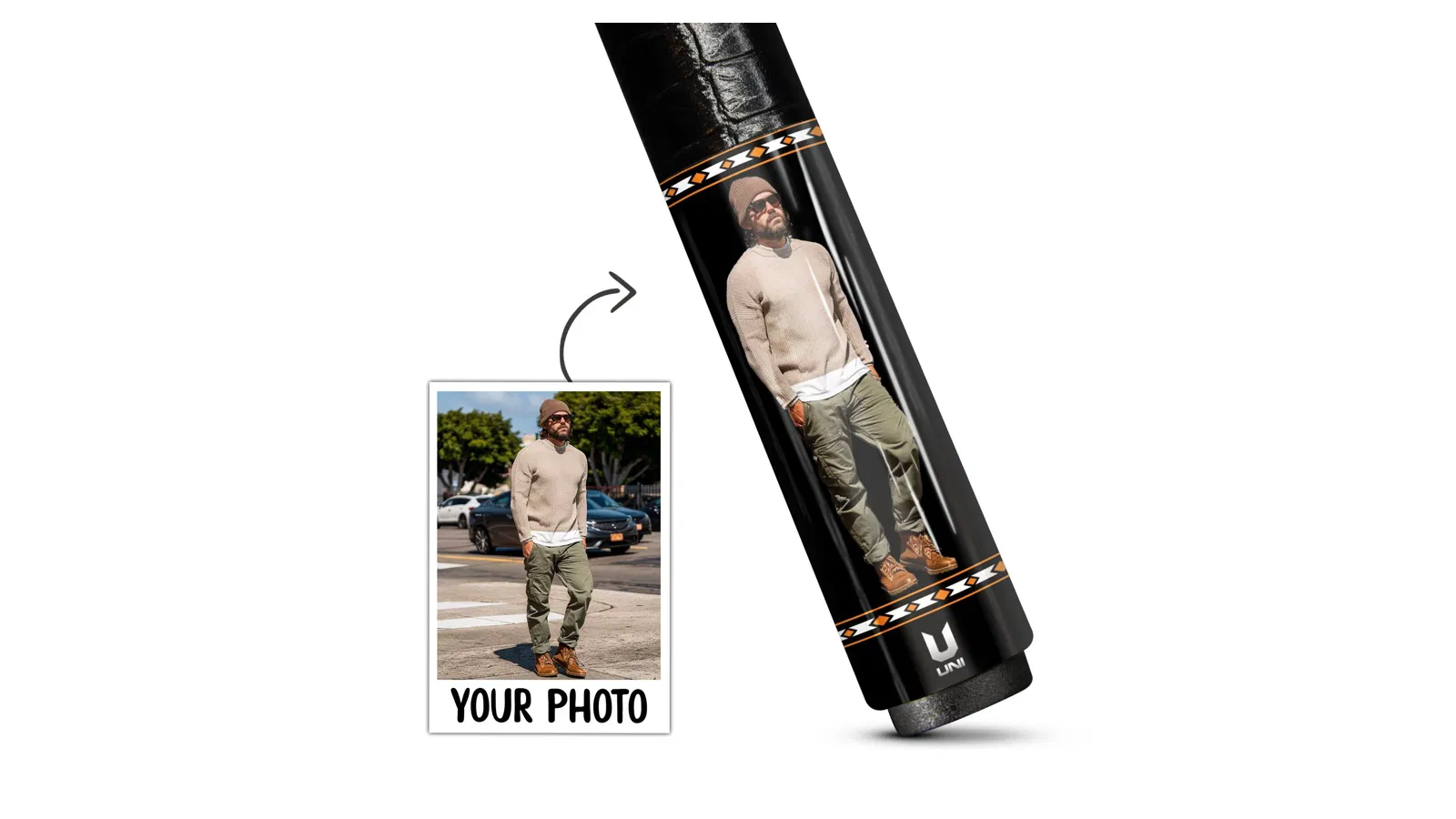
Uni Photo Pool Cue: Personalization, Shaft Options and Price
A closer look at Uni's personalized photo pool cue: the $281 listing, carbon versus Standard glass fiber wording, printed finish, and ordering checks.
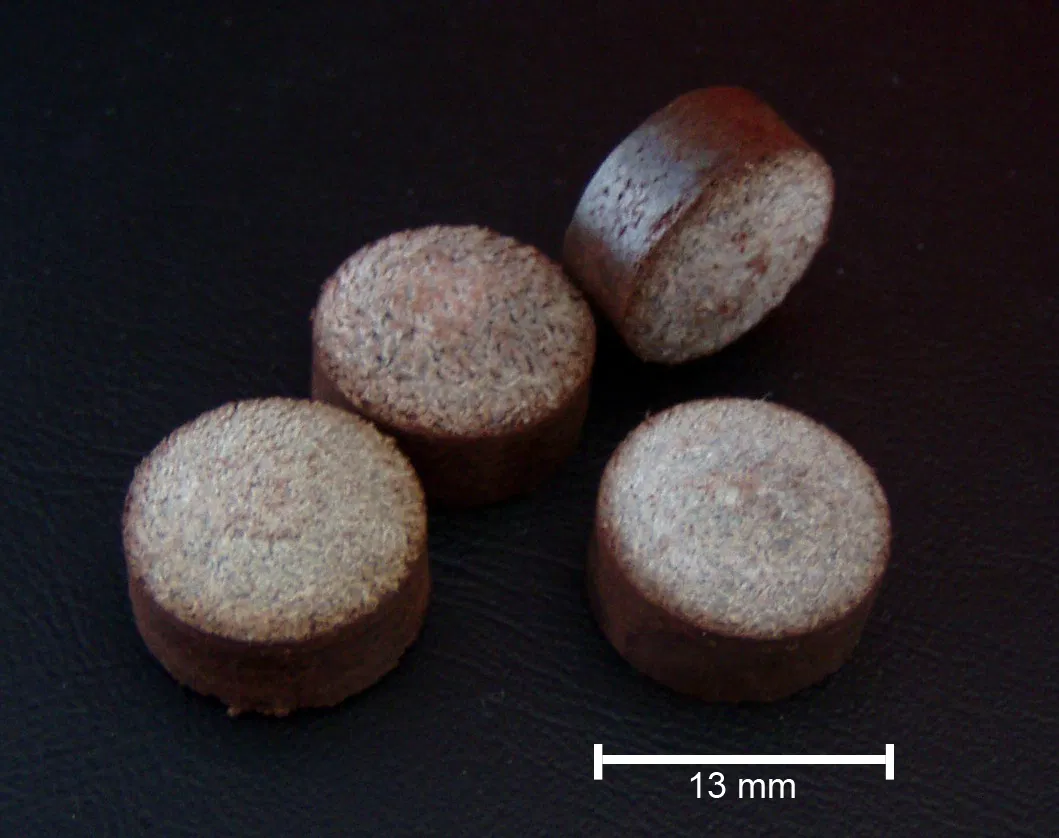
How to Replace a Pool Cue Tip: DIY Steps, Tools and Mistakes
A leather tip is a blade, gel super glue and patience away. The home retip step by step — facing the ferrule, centering the tip, shaping the dome — plus when to pay a shop.
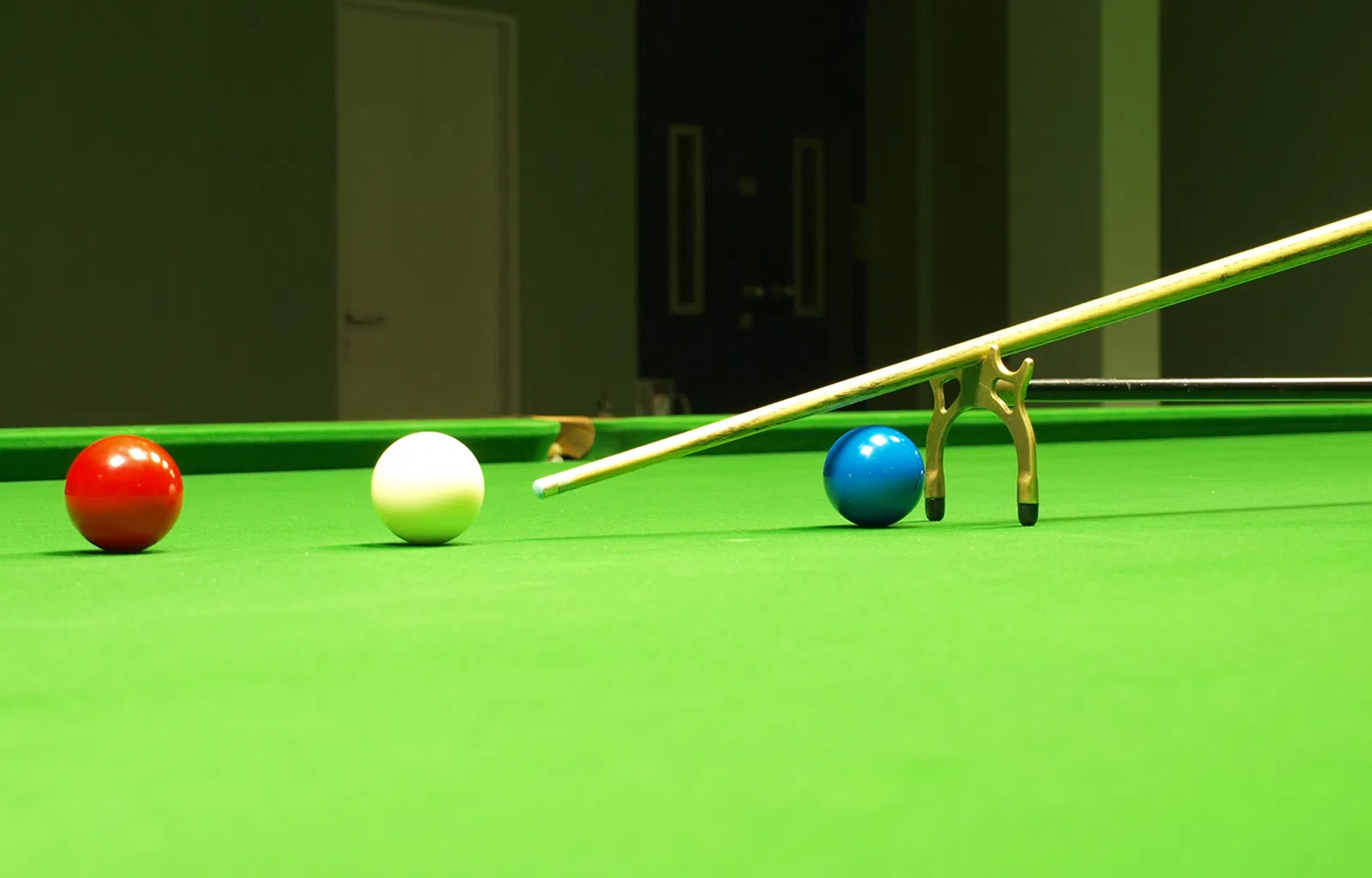
Mechanical Bridge Explained: Rest, Spider, Swan and the Rules
The mechanical bridge holds your cue when a shot sits beyond your reach. Rest, spider, swan and slip-on heads explained — plus the rules and what they cost.