Pool Cue Joint Types Explained: Pin Sizes, Uni-Loc and Radial
What pin names like 3/8×10, 5/16×14, Uni-Loc and Radial actually mean — and the one buying decision where the joint matters.
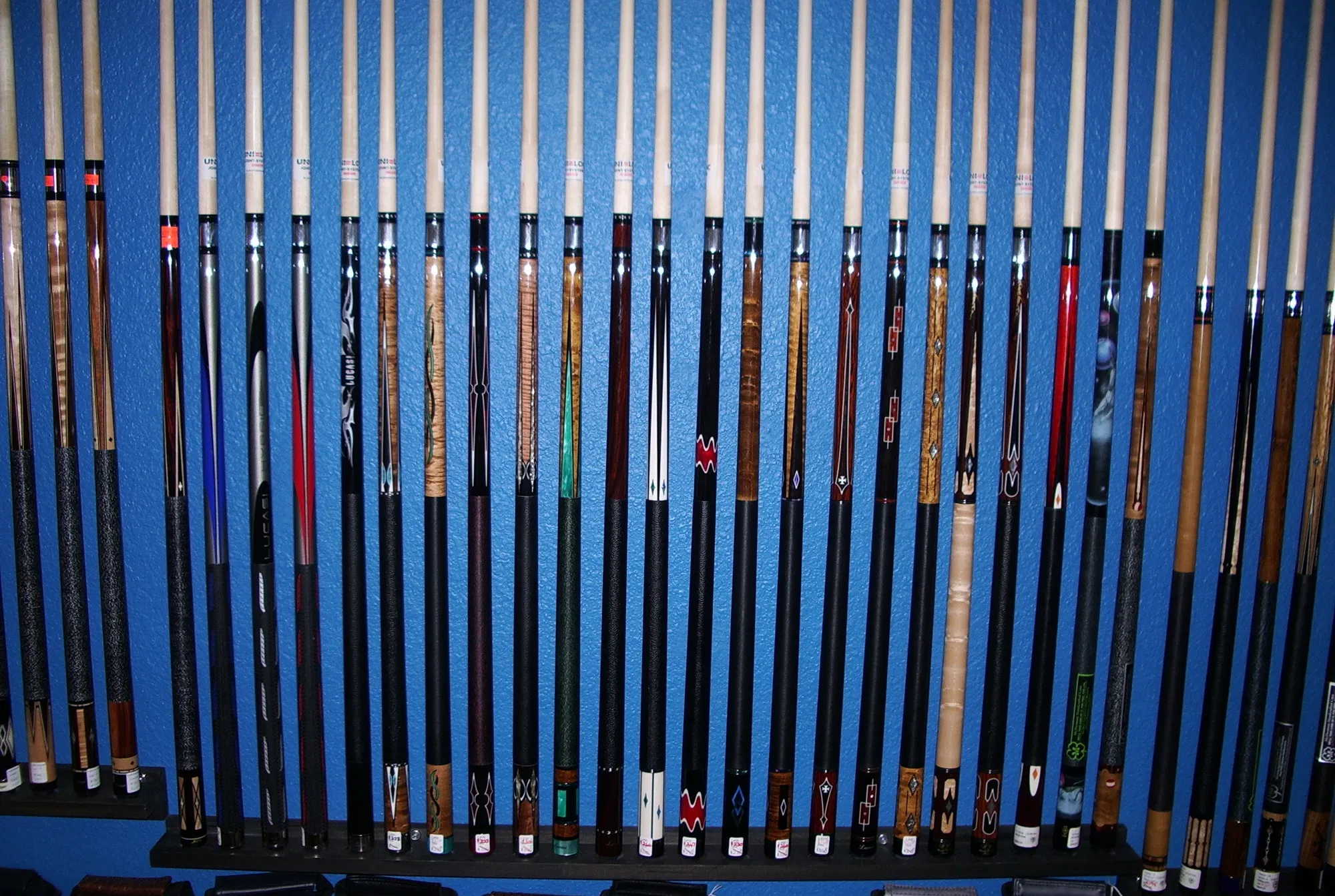
Unscrew any two-piece pool cue and the hardware hiding at the split is the joint — the fitting that lets a 58-inch stick ride in a 30-inch case. Spec sheets name it as 3/8×10, 5/16×14, Uni-Loc, Radial or a dozen other labels. Here is what those names mean, which brands use which, and the one situation where the joint actually decides a purchase.
What the Joint Actually Is
The joint is the connection point between a cue's two halves. On most cues the male end — the pin — sits on the butt, and the shaft carries the female insert it threads into. Around the connection, most cues fit a collar made of stainless steel, phenolic or another synthetic material (sometimes dressed up with decorative rings); cues with no collar at all are called "wood-to-wood" joints.
Before the pin name even comes up, two details describe the joint's face:
- Flat-face — the butt and shaft simply meet on two flat surfaces.
- Piloted — the shaft's insert carries a small nub that seats into a recess in the butt's collar, adding a second alignment surface. Piloted joints are typically paired with 5/16×14 or 3/8×10 threads.
How to Read Pin Names
Standard pins are named by diameter and threads per inch: a 5/16×14 pin is 5/16 of an inch across with 14 threads per inch. The common measured sizes on the market are 5/16×14, 5/16×18, 3/8×10, 3/8×11 and 3/8×14 — and they are not interchangeable: 3/8×10 and 3/8×11 are different threads in the same diameter.
Names like Uni-Loc, Radial and Speed-Loc are brand names for specific pin designs rather than measurements:
- Uni-Loc — a proprietary system best known for its quick-release version, which locks with a single turn instead of many. It comes in Quick Release, Bullet and Radial variants, which are not interchangeable with one another.
- Radial — a fluted pin on the butt side that seats tightly into the shaft for alignment; common on cues built around low-deflection shafts.
- Brand-specific systems — McDermott Quick Release, Viking Quick Release, Pechauer's Speed Joint and JP/Pro joints, Mezz's Wavy and United, Longoni's VP2 and Becue's B-Lock are each their own fitting, not a shared standard.
The thread itself is mundane engineering. Coarser threads like 3/8×10 seat tight in fewer turns; finer threads like 5/16×18 take more turns to snug down. Neither holds better — both hold fine.
Which Brands Use Which Joint
CueSight's joint listing maps makers to their common pin types. A working summary:
| Joint | Brands commonly using it |
|---|---|
| 5/16×14 | Joss, Schön, Mezz, Pechauer, Balabushka, Jacoby (also Radial) |
| 5/16×18 | Meucci, Players, Longoni, Dufferin, Predator (pre-2002) |
| 3/8×10 | McDermott, Lambros, McWorter |
| 3/8×11 | Southwest |
| 3/8×14 | Cuetec |
| Uni-Loc | Predator (post-2002), Lucasi, Poison (Bullet and Ghost variants) |
| Radial | Jacoby, Lucasi, Phillipi |
| Viking Quick Release | Viking |
| Speed-Loc | Fury |
Treat the table as a starting point, not a guarantee. Manufacturers change joints across model lines and years — Predator's own switch from measured pins to Uni-Loc after 2002 is the standing example — so verify the actual joint on your cue before ordering any shaft to match it.
What the Joint Changes — and What It Doesn't
Feel and sound. Dr. Dave Alciatore lists joint material, design and construction among the things that shape a hit's feel and sound — the shock and vibration you notice in the grip hand. Retailers and makers commonly describe steel joints as a "stiff" or isolated hit, wood-to-wood as "fluid" or soft (the closest feel to a one-piece house cue), and composite joints as somewhere in between. That is preference, not performance: the vibration reaches your hand after the cue ball is already gone, so it has no direct effect on the shot's outcome.
Convenience. A quick-release pin assembles and breaks down in a single turn — handy if you swap shafts between matches. A piloted joint needs its recess kept clean; dust packed into the pilot area is a known annoyance.
A warning sign worth knowing. A rattle, buzz or click at the joint can mean a loose component — one of the listed causes of an abnormal-feeling hit, and a fixable one.
Not squirt. The joint does not move the cue ball's line on sidespin shots. Squirt is set by the shaft's endmass — physics covered in what low-deflection shafts actually do.
When the Joint Actually Decides a Purchase
On day one, the joint matters little — every major type works. It matters the day you buy a second or upgraded shaft, because that shaft must match your butt's pin type and face configuration. A nominal thread match is only the first check: pilot diameter, joint-face diameter and insert depth all have to line up, which is why shaft sellers ask for the cue model and joint photos before shipping. If you already know which aftermarket shaft you eventually want, buy a butt whose joint that shaft actually comes in.
Care is cheap insurance either way: keep the threads clean, assemble the cue over a table rather than a bar floor, snug the joint hand-tight rather than cranked, and use joint protectors — they exist precisely to keep lint and dings off the pin and insert in a case.
The rest of the spec sheet is covered elsewhere: weight, tip diameter and shaft material, the physics in our cue weight guide, and grades in the tip hardness guide. The Cue Database lists current models for spec browsing, and the beginner's guide to choosing a cue walks the whole purchase.
The Bottom Line
The joint is a compatibility spec wearing a feel costume. Learn your cue's pin name the day you buy it, keep the threads clean and snug — not crushed — and let your shaft-upgrade plans, not mythology, pick the joint type.
Sources
- CueSight — Pool Cue Joints and Shafts — pin naming convention, flat-face vs piloted, collar materials, brand-to-joint listing
- Dr. Dave — Pool Cue Feel, Hit, Feedback and Playability — joint's role in feel/sound; loose joint components; vibration after contact
- Dr. Dave — Causes for Squirt and Cue Ball Deflection — squirt depends on shaft endmass, not the butt or joint
- Masi Carbon — Cue Joint Systems guide — Radial, Uni-Loc, piloted and thread-system descriptions (manufacturer blog)
- Seybert's — Joints by Manufacturer — joint-type taxonomy and double-check caveat
- PoolDawg Academy — What's My Joint Style? — steel, wood-to-wood and composite feel descriptions
- Wikipedia — Cue stick — two-piece cue construction, joint collars and pin
More coverage
Keep reading
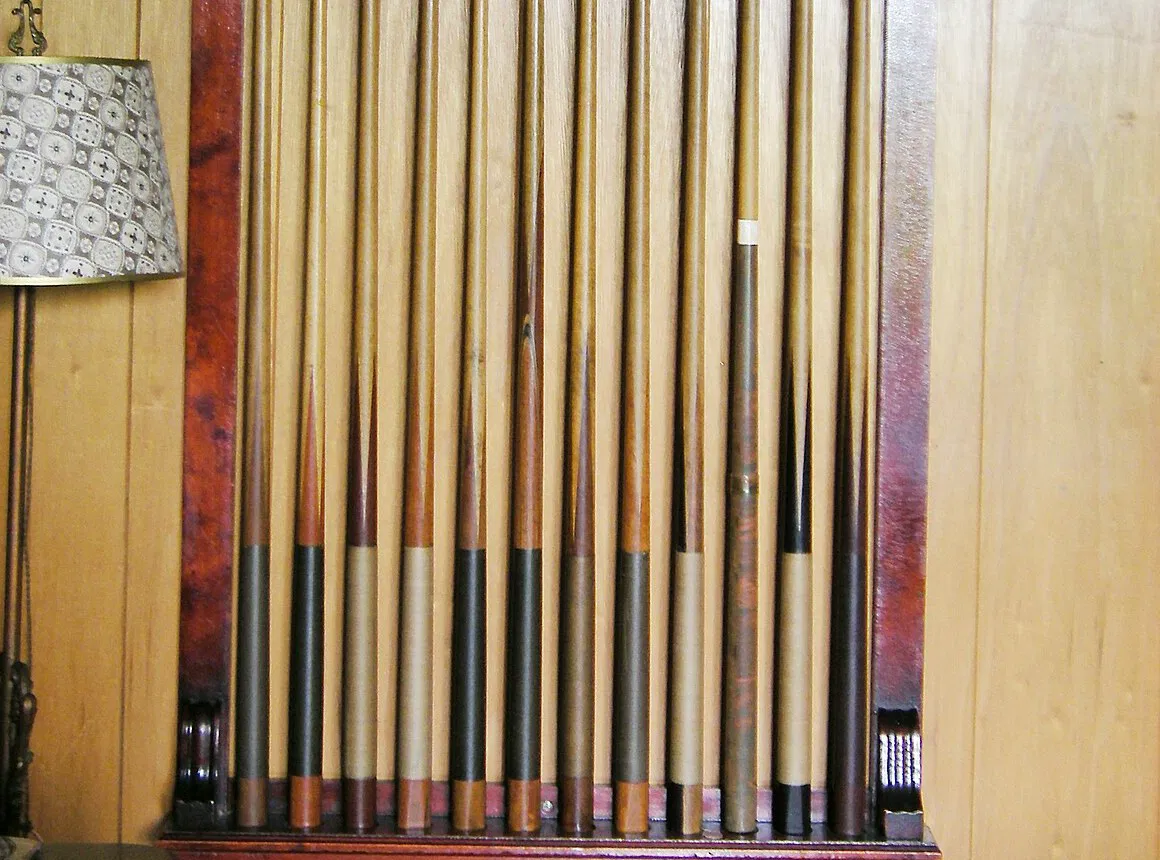
Sneaky Pete Cue Explained: The House Cue That Isn't
A Sneaky Pete is a quality two-piece cue built to look like a cheap bar cue — plain outside, serious inside. The history, the tells, and what they cost.
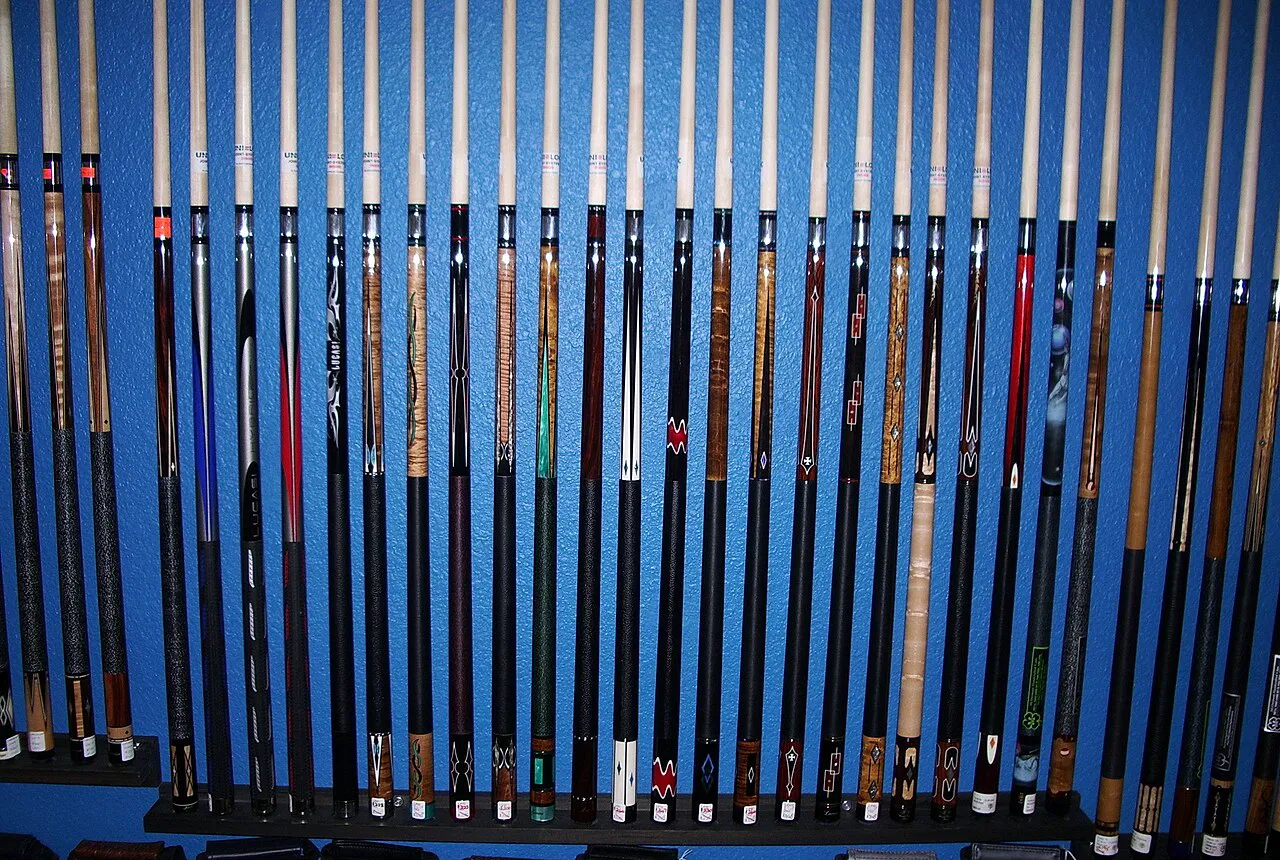
Pool Cue Wood Types: Maple, Ash, and What the Exotics Do
Maple rules the shaft, ash owns snooker, and ebony, cocobolo and rosewood dress the butt. What cue woods actually change — and what is decoration.
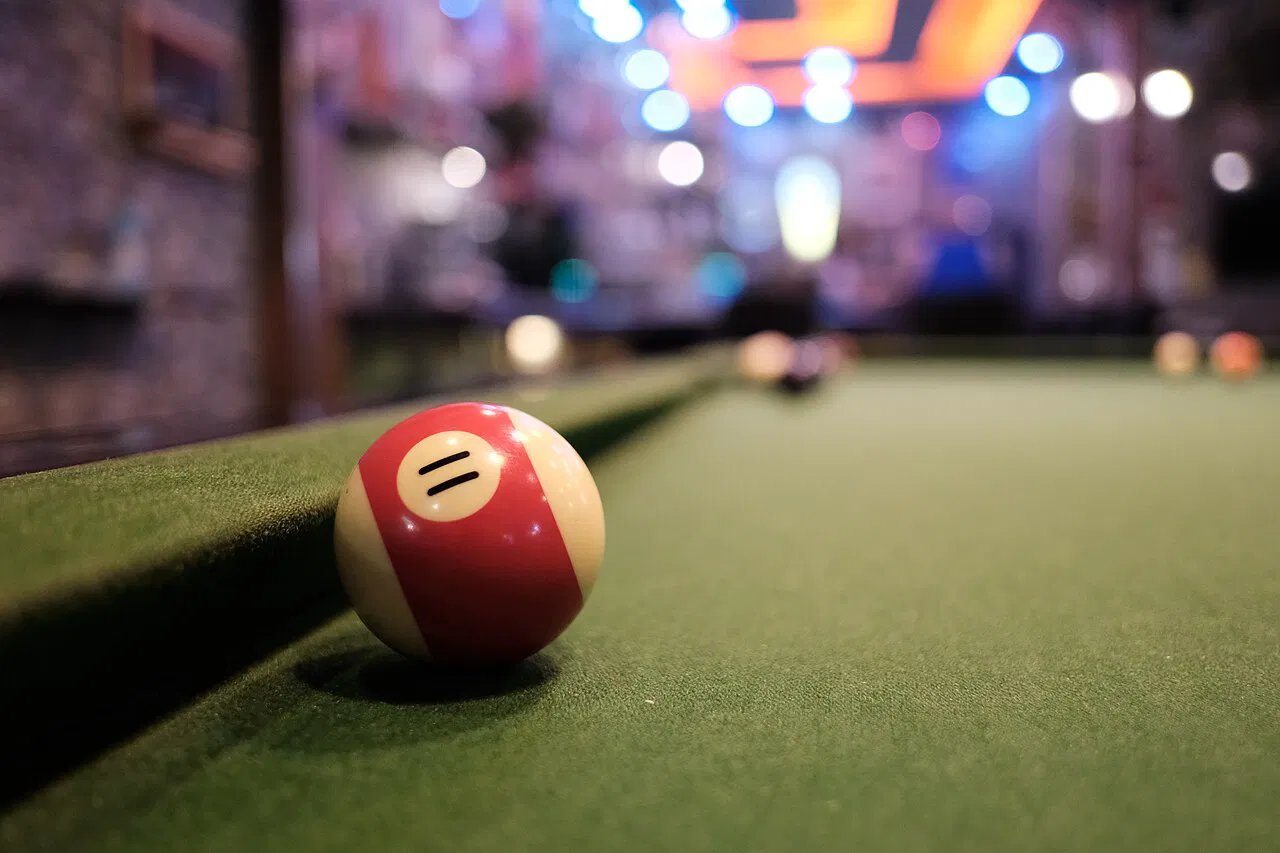
Pool Table Cloth Compared: Simonis vs Gorina vs Andy
Walk into any forum thread about reclothing an American pool table and the same three names surface within minutes: Simonis, Gorina and Andy. All three make…