Pool Cue Wrap Types Explained: Linen vs Leather vs Wrapless
Irish linen, leather, rubber or nothing at all — what each cue wrap changes in your grip, which one handles sweat, and what a rewrap costs.
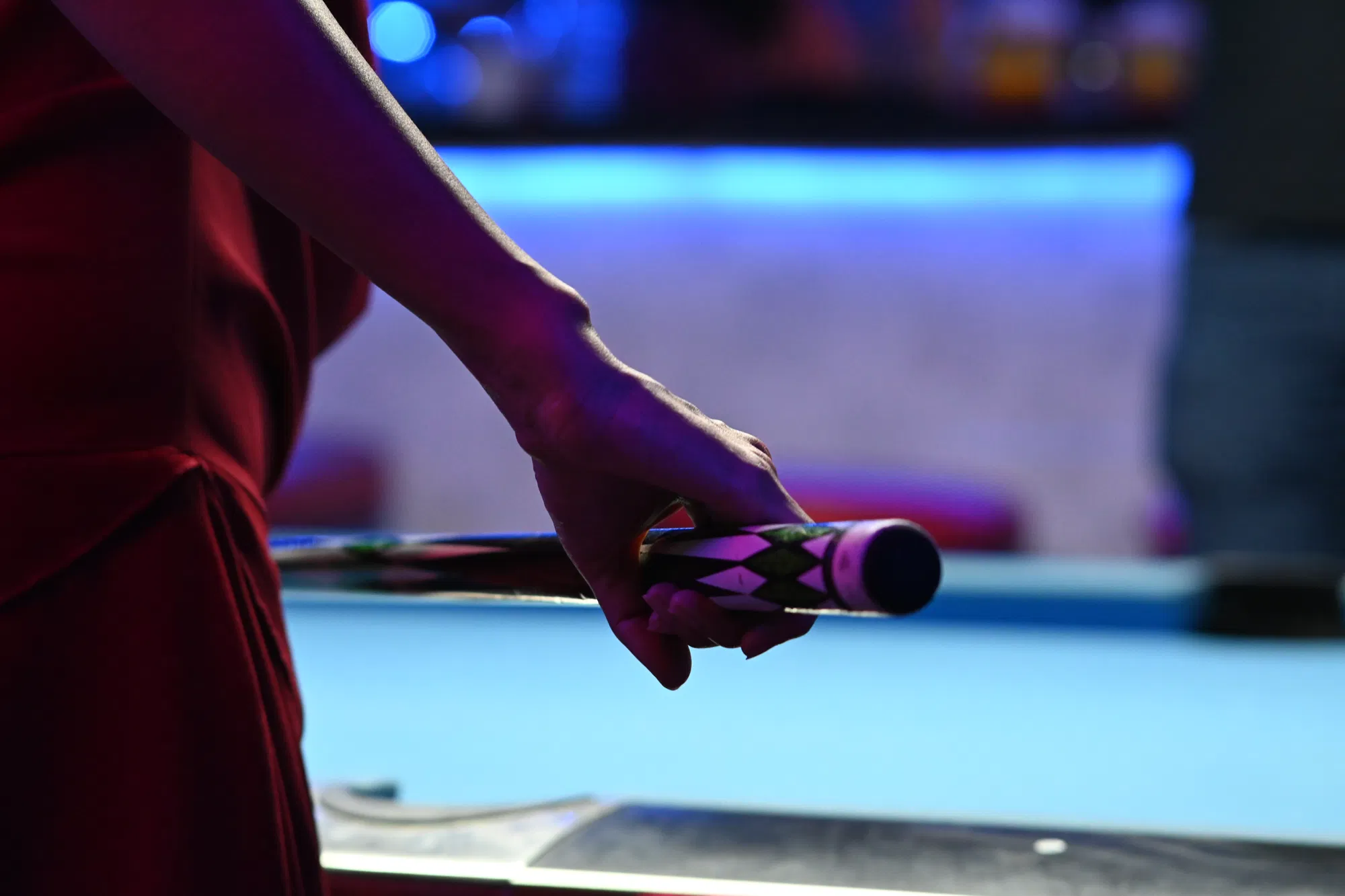
The wrap is the only part of a pool cue your back hand touches on every single shot, yet on most spec sheets it gets one line — "Irish linen" or "leather" — with no explanation of what that choice actually does. Here is what each wrap type is, how they rank for grip, what happens when your hands sweat, and what it costs to change your mind later.
What the Wrap Actually Does
Two jobs: grip and moisture. Wikipedia's cue stick entry describes wraps such as Irish linen or leather as giving the player a better grip and absorbing moisture, and notes that traditionally players like the cue's balance point near the top of the wrap — roughly seven inches from where the hand grips the butt.
What the wrap does not do is change how the cue ball moves. It is a grip-comfort spec, not a performance spec — the same category our pool cue specs explainer files it under. Pick it for your hand, not for your shot-making.
The Wraps, Ranked by Grip
Billiards Direct's wrap guide ranks the common materials by grippiness, and the order surprises most buyers:
- Rubber / synthetic sport grip — the tackiest option by a wide margin.
- Wrapless — the finished wood of the butt itself; a dry palm sticks to the finish better than to most fabrics.
- Stacked leather — smooth, compressed leather that grips well when hands sweat.
- Standard leather — textured, decently grippy.
- Irish linen — the least grippy, because the thread carries a starch-and-wax coating that feels slick in the hand.
Least grippy does not mean worst — it means the cue can slide through a loose grip the same way every stroke. That ranking is about friction, not quality.
Irish Linen: The Default for a Reason
An Irish linen wrap is one continuous linen thread wound edge-to-edge into a shallow groove cut into the butt, then glued and pressed flat. Viking sells it as "Double Pressed Irish Linen" in two dozen solid and two-color combinations — black and white, navy and white and so on — and calls it the industry standard.
It earned that status on sweat control. McDermott's care page states the purpose plainly: the linen absorbs moisture from the player's hands. That is why it sits on most production playing cues, from McDermott's Lucky line upward, and why long-session and league players rarely think about it — it just works.
The trade-offs show up with time. Hand oil and dirt work into the thread, and a wrap that started dry gradually turns shiny and slick; a proper cleaning usually revives it. If the thread frays or lifts at an end, the fix is a rewrap — the cheapest wrap job a cue shop does, typically $40–100 in the price lists LeaguePool compiled.
Leather: Four Wraps Behind One Word
"Leather wrap" covers four different grips, and the price ladder between them is steep:
- Smooth or full-grain leather — the premium option on production cues. Cuetec's Cynergy Truewood line offers a genuine pebbled full-grain leather wrap or no wrap at all; Predator sells its P3 with a "Leather Luxe" wrap and lists that version's grip diameter as thick.
- Embossed leather — cowhide pressed with a pattern. Tiger Products alone lists more than a dozen: lizard, ostrich, shark, stingray, elephant, python, weave and others. It is the most common leather on mid-priced cues and the cheapest leather to rewrap.
- Stacked leather — leather washers stacked on the handle, glued, then turned, sanded and burnished on a lathe. Firm and long-lasting, found mostly on custom and high-end cues — a shop-only job.
- Exotic leather — real lizard and similar hides, priced accordingly on custom work.
Leather is thicker than linen, so a leather-wrapped butt feels fuller in the hand — good or bad depending on hand size. Players with smaller hands often end up preferring linen or wrapless for the slimmer grip. The honest trade-off, per LeaguePool: leather looks and feels expensive and lasts well, but it does not wick sweat the way linen does. Rewrap ranges run roughly $90–175 for smooth or embossed, $150–250 for stacked, $125–275 for exotic — about twice the cost of linen.
Rubber and Synthetic Sport Grips
These exist for exactly one reason: sweat. Seybert's buying guide recommends rubber and synthetic wraps for players whose hands sweat heavily, and they stay tacky when linen and leather have given up. The material is cushioned and slightly soft — think of the difference between a tennis racket grip and a wooden handle.
You see them most on break and jump cues — Predator's Sport wrap ships on the BK4 break cue and Air II jump cue, for example — because those sticks get swung hard with unusual grips, and a slipping hand on a power break is a lost shot. Manufacturers are vague about the actual material: Predator's and McDermott's pages (the Lucky L54 carries a "textured wrap") do not name a compound, so judge these in the hand.
Two cheap relatives worth knowing:
- Nylon — the wrap on low-priced cues. It looks like linen from a distance but runs thinner and slicker; when it wears, a shop can swap it for real linen.
- Veltex-style grips — the smooth, non-glossy surface on some fiberglass and graphite cues, which Wikipedia names alongside linen and leather.
Wrapless: No Grip Material at All
A wrapless cue's handle is the same finished wood — or carbon — as the rest of the butt. Players choose it for three reasons: the handle feels slimmer, the cue slides through a loose grip identically on every stroke, and it wipes clean in seconds.
The catch is moisture. With dry hands the finish is genuinely grippy — Billiards Direct ranks it second only to rubber — but nothing absorbs sweat, so in LeaguePool's comparison it "gets slippery; a glove helps." Wrapless cues pair naturally with a billiard glove or dry conditions, and they dominate sneaky-pete styling and much of the modern carbon-cue market.
What It Costs to Change Your Mind
Wraps are not permanent. A cue shop can strip one material and fit another — with one physical caveat: linen is the thinnest common wrap, so swapping a linen-wrapped cue to leather makes the grip noticeably thicker, and going the other way slims it. If you have strong feelings about grip diameter, say so before the rewrap.
| Wrap | Feel | With sweaty hands | Shop rewrap range |
|---|---|---|---|
| Irish linen | Firm, lightly textured | Absorbs moisture | $40–100 |
| Nylon | Thin, a little slick | Fair | Usually replaced with linen |
| Embossed / smooth leather | Smooth or pebbled, fuller | Does not absorb like linen | $90–175 |
| Stacked leather | Hard, burnished | Fair | $150–250 |
| Exotic leather | Depends on the hide | Does not absorb | $125–275 |
| Cork | Natural cork surface | Fair | ~$135 |
| Rubber / sport grip | Tacky, cushioned | Stays grippy | Factory job on branded wraps |
| Wrapless | Smooth, slim | Slippery — use a glove | Nothing to replace |
Ranges are from the repair lists LeaguePool compiled from Seybert's and Mueller's; the underlying lists carry no dates, so confirm current pricing with the shop before shipping a cue.
Which Wrap for Which Hand
- Hands sweat a lot: Irish linen first, a synthetic sport grip if you want maximum tack, or wrapless plus a glove. This is LeaguePool's own quick answer and it is the most defensible rule in wrap selection.
- Hands stay dry: choose by feel — you have the full menu, including wrapless.
- Smaller hands: linen or wrapless keeps the grip slim; leather adds diameter.
- Buying your first cue: do not overthink it. Linen is the default because it offends nobody, and any wrap you hate can be changed for the price of a few sessions' table time.
The rest of the spec sheet is covered in our guides to weight, tip hardness and joint types — and the Cue Database lists what current models ship with. Buying your first cue start-to-finish? The beginner's guide to choosing a cue stick walks the whole purchase.
The Bottom Line
The wrap is a grip-and-sweat spec wearing a cosmetics costume. Let your hands make the call — sweaty hands pick linen or sport grip, dry hands pick by feel — and remember the one structural fact: linen is the thin baseline everything else is measured against, and changing it later is a routine shop job, not a new cue.
Sources
- LeaguePool — Pool Cue Wraps: Irish Linen vs Leather vs Wrapless — wrap construction, comparison table, rewrap price ranges, brand examples (Cuetec Truewood, Predator P3 Leather Luxe, Sport wrap, Lucky L54), Mueller's cork price
- Billiards Direct — How to Choose a Pool Cue Wrap — grippiness ranking (rubber > wrapless > stacked leather > standard leather > Irish linen) and the linen starch/wax coating
- Viking — Wraps — Double Pressed Irish Linen as industry standard, color combinations, Gator/Ostrich/cowhide leather options (manufacturer page)
- Wikipedia — Cue stick — wraps provide grip and absorb moisture, balance point near top of wrap, nylon on low-priced cues, Veltex
More coverage
Keep reading
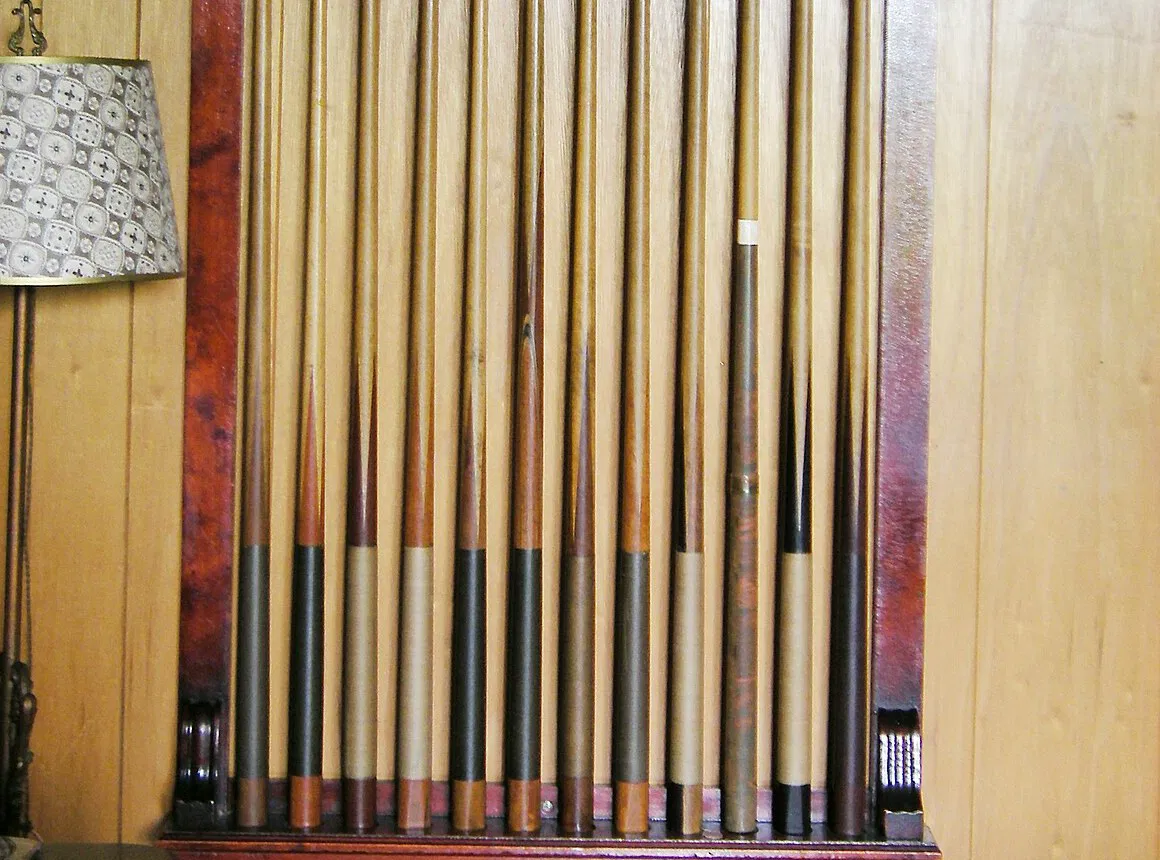
Sneaky Pete Cue Explained: The House Cue That Isn't
A Sneaky Pete is a quality two-piece cue built to look like a cheap bar cue — plain outside, serious inside. The history, the tells, and what they cost.
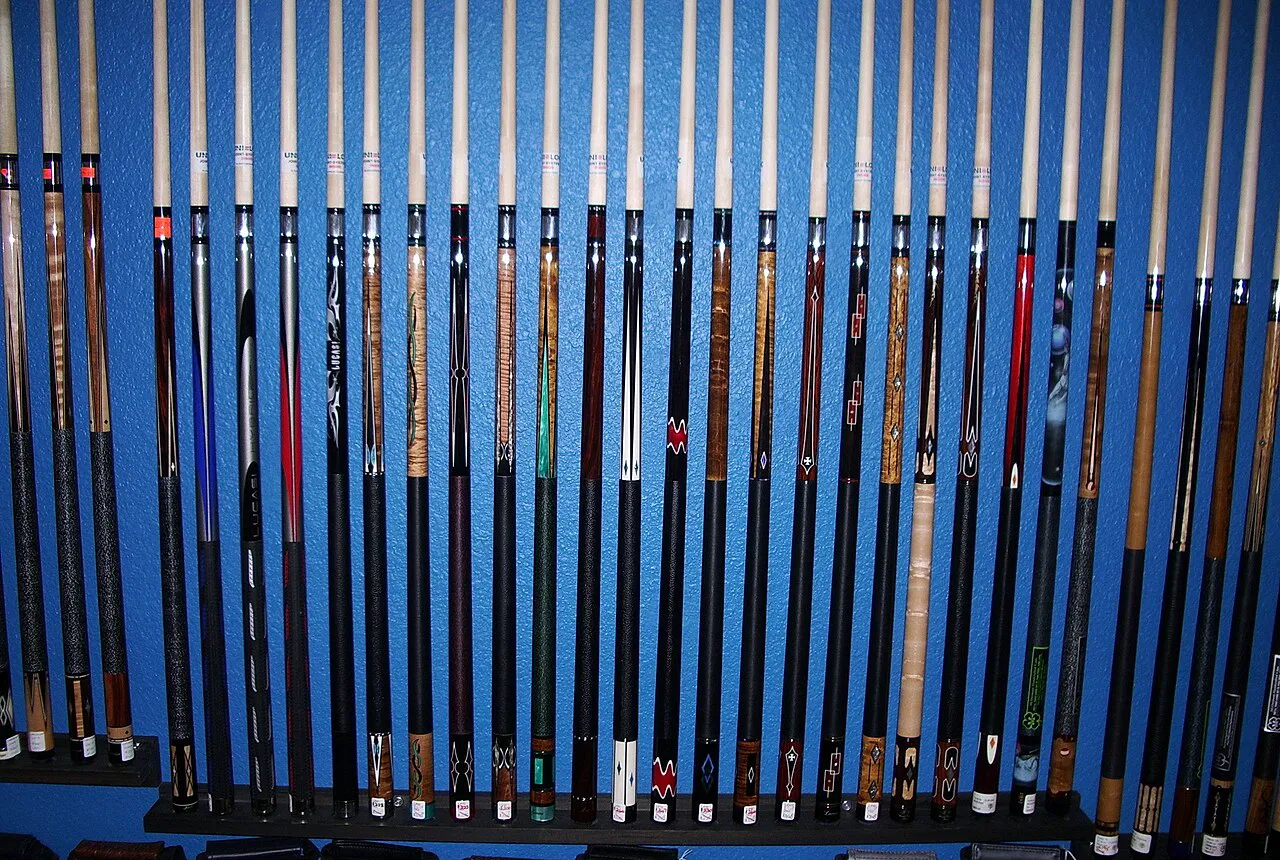
Pool Cue Wood Types: Maple, Ash, and What the Exotics Do
Maple rules the shaft, ash owns snooker, and ebony, cocobolo and rosewood dress the butt. What cue woods actually change — and what is decoration.
Pool Table Cloth Compared: Simonis vs Gorina vs Andy
Walk into any forum thread about reclothing an American pool table and the same three names surface within minutes: Simonis, Gorina and Andy. All three make…