Pool Cue Wood Types: Maple, Ash, and What the Exotics Do
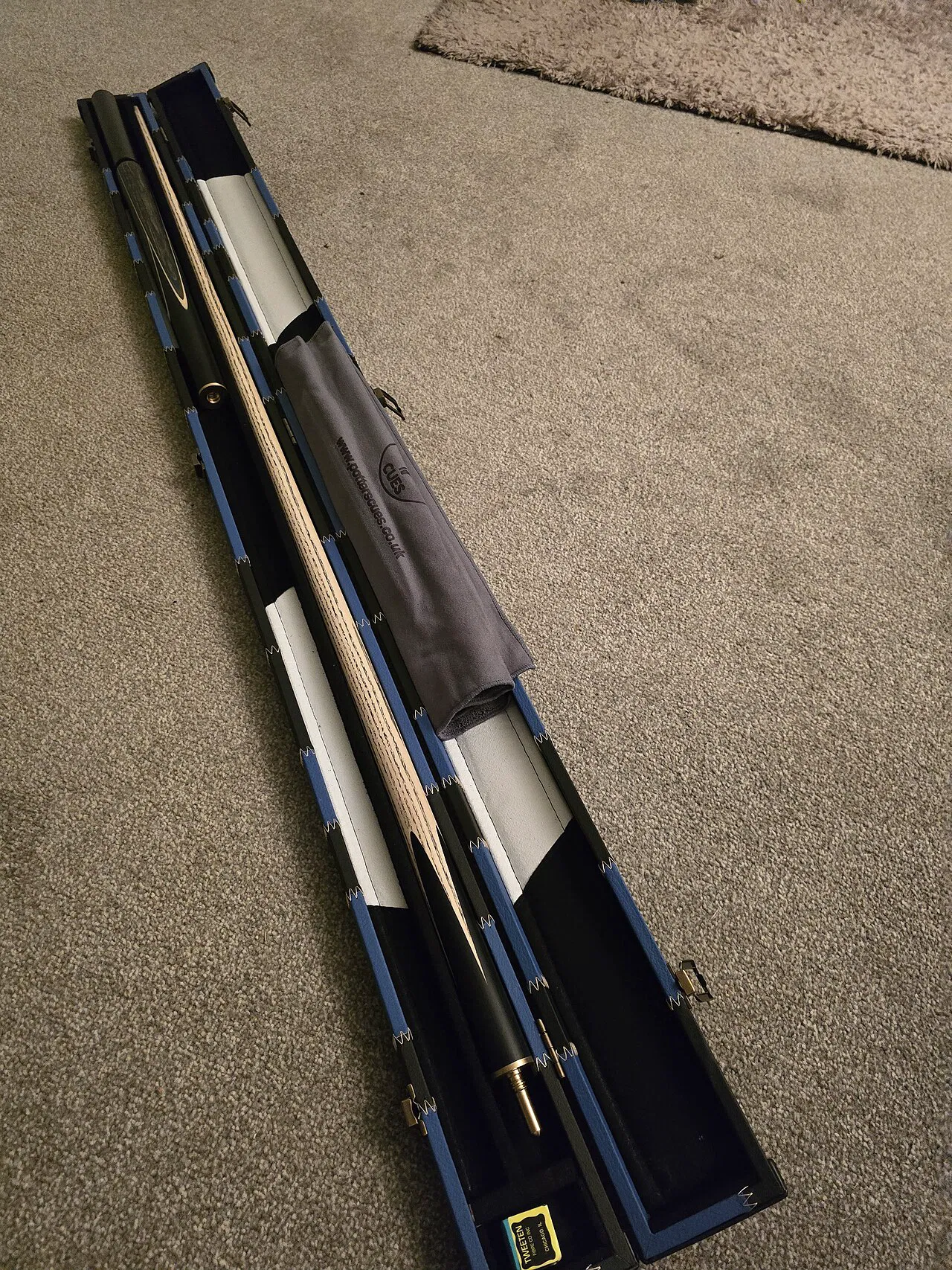
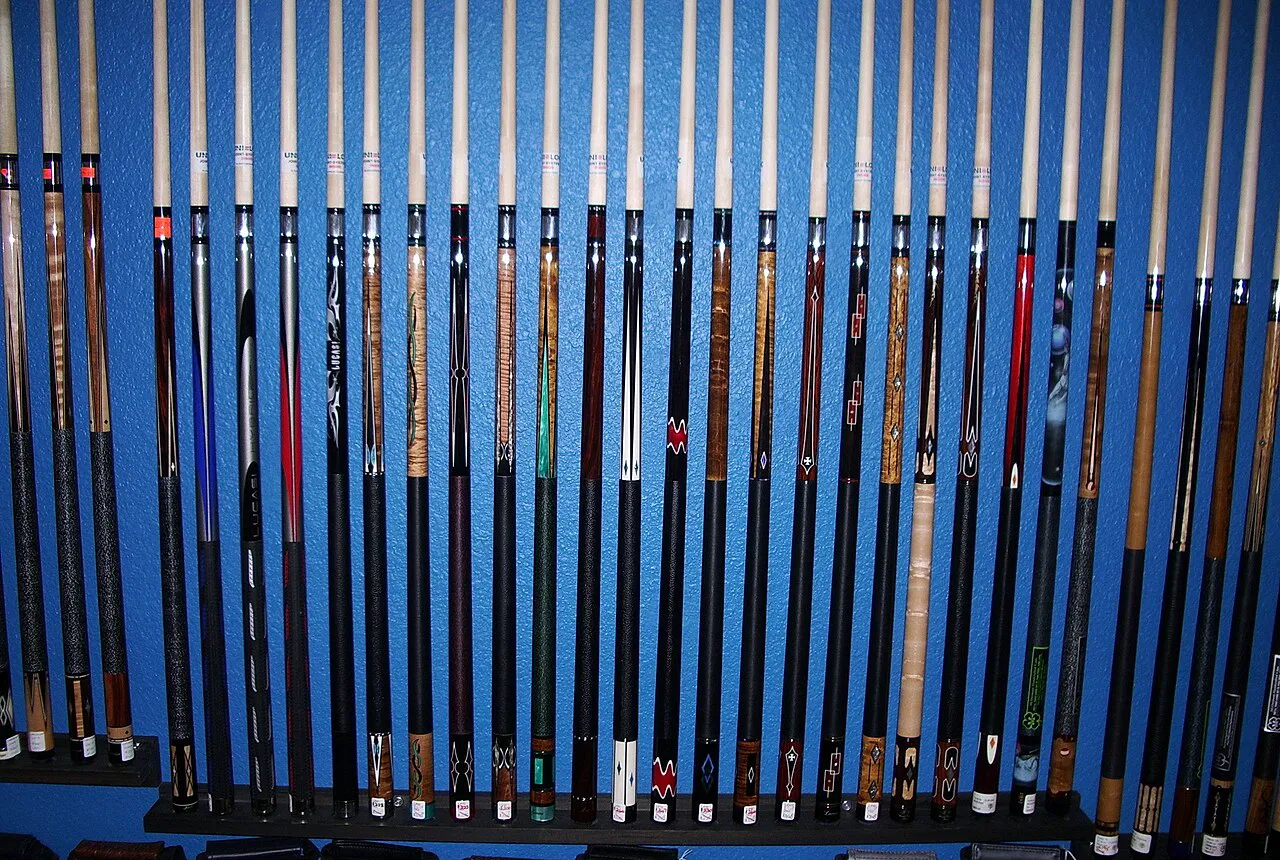
Maple rules the shaft, ash owns snooker, and ebony, cocobolo and rosewood dress the butt. What cue woods actually change — and what is decoration.
Brand & Topics
Maple rules the shaft, ash owns snooker, and ebony, cocobolo and rosewood dress the butt. What cue woods actually change — and what is decoration.
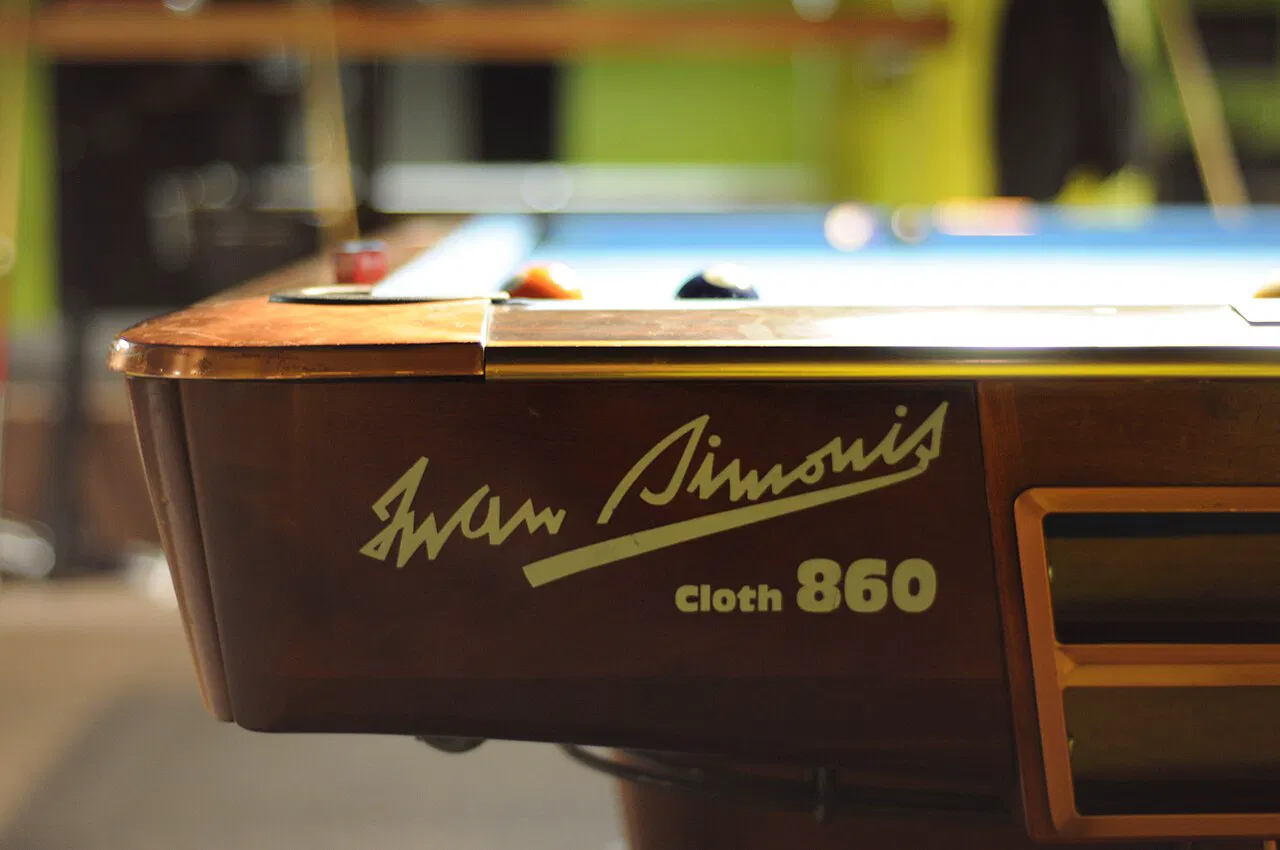
Walk into any forum thread about reclothing an American pool table and the same three names surface within minutes: Simonis, Gorina and Andy. All three make…
How refelting a pool table works: worsted vs woolen recap, precut kits, staple vs glue, the bed stretch sequence, rail wrapping, logo placement under the rail, and pro costs.
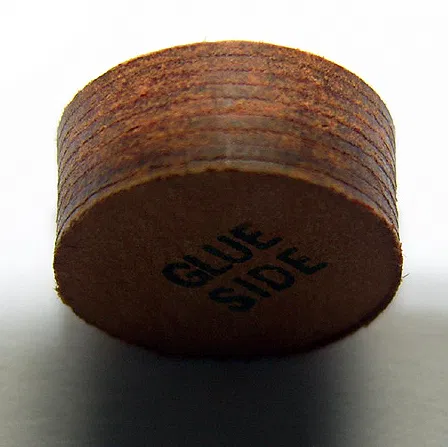
What a laminated cue tip actually is, why makers stack thin leather, what solid tips still win — and where the debate stands with no hard data.
A used cue usually beats a new one at the same price — if it passes inspection. The 10-minute check, the repairs worth pricing in, and the warranty catch.
Dime or nickel? The curve on a cue tip is measured in coins — what the radius actually changes, the one sizing rule that matters, and how to keep it.
A cue's balance point rarely makes the spec sheet, but it shapes how the same weight feels. What it is, where it sits, and when it matters.
Rolling a cue on the table is the classic warp check — and it's misleading. Sight the shaft instead. Here's how, and what a warp actually costs you.
Pool cues run about 58 inches, but short cues, extensions and pro customs all bend that rule. Here is what each length is for — and which fits you.
What a cue shaft taper actually is, how pro and conical profiles differ at the bridge and in the hit, what taper does to deflection, and who each suits.
Leather tips wear slowly, then fail quietly. How long a cue tip lasts at your play frequency, the signs it is done, and what the swap costs.
Break cues are built differently from playing cues — harder tips, stiffer shafts, different tapers. What the design changes, what it costs, and who actually needs one.