Fiberglass and Composite Cue Shafts, Explained
Fiberglass-coated maple, all-composite budget cues, and carbon fiber get sold under the same word. What the coating is, who made it famous, and what it costs.
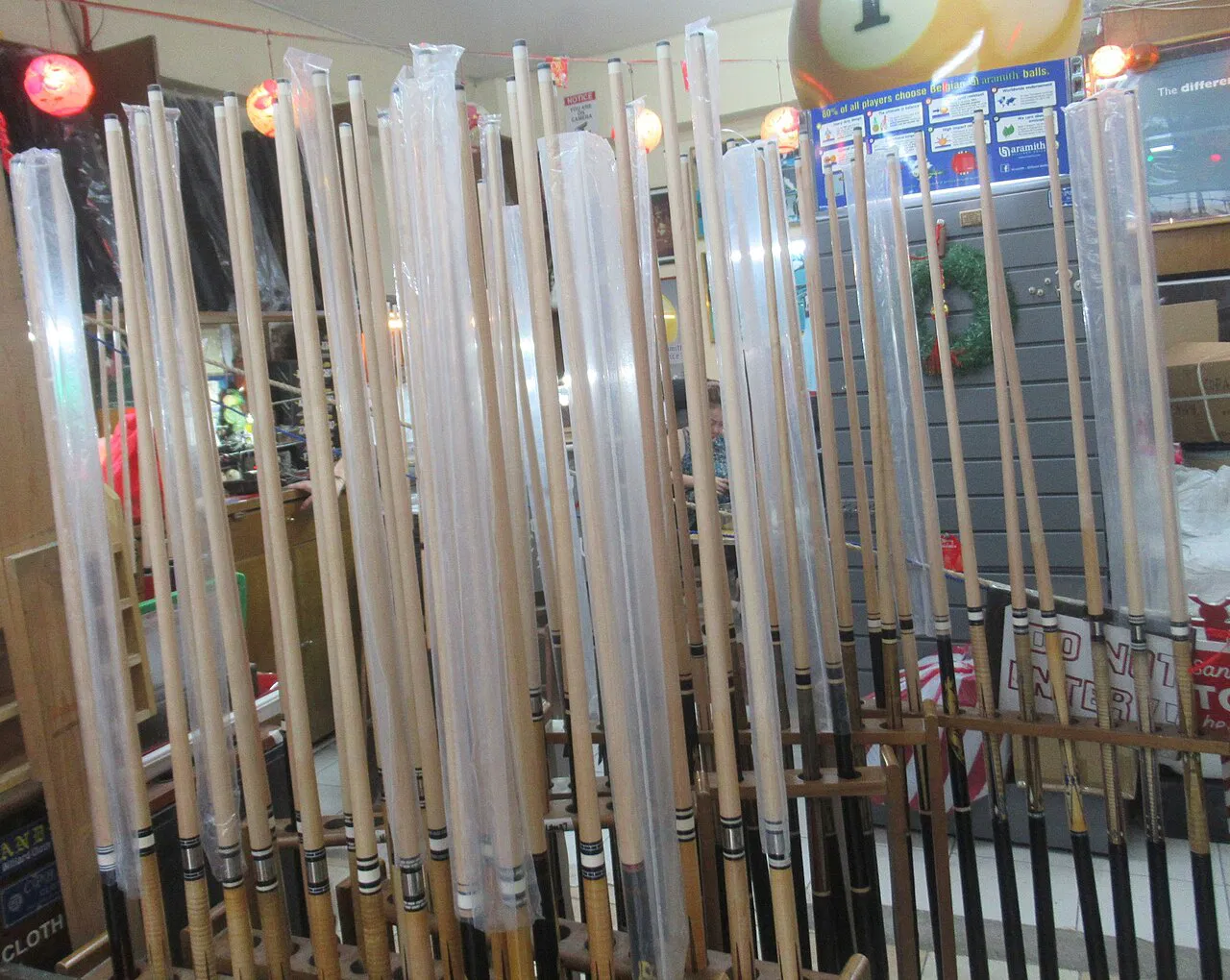
Search a cue shop for "composite" or "fiberglass" and three different products answer at once: a maple shaft wearing a thin glass skin, a budget cue made entirely of synthetic material, and — thanks to an old nickname that refuses to die — a carbon fiber shaft. They differ in price by a factor of ten, so the label matters.
What the labels actually mean
LeaguePool's materials guide sorts the confusing listings into three buckets:
- Fiberglass-coated maple — also listed as glass-bonded or clad. A solid hard maple shaft with a thin glass composite skin permanently bonded over it. The formula Cuetec built its brand on; the current example is the Cuetec AVID shaft, with older Tru-Glide cues circulating used.
- Full composite cue — shaft and butt made of fiberglass, usually with graphite or other fibers mixed into resin. These are the $40–90 "graphite" or "fiberglass graphite" listings: Viper Graphstrike, GSE, Scorpion and similar. No wood core at all.
- Carbon fiber — an engineered hollow or foam-cored all-carbon shaft. Players and sellers also call it "graphite" (Dr. Dave Alciatore titles his carbon shaft FAQ "carbon fiber (AKA graphite)"), which is the root of most of the confusion — a $60 "graphite" cue and a $500 carbon shaft share a nickname and almost nothing else.
This article is mostly about the first two — the coated shaft and the cheap composite — with carbon covered only for contrast. Our carbon worth guide and low-deflection explainer go deeper on the third.
Where it came from: the Cuetec story
Fiberglass over cue wood is not a generic invention — it is, to a first approximation, the story of one company. Cuetec's own history page tells it: in 1987 a Taiwanese engineer named Jones Chang, who had worked in the tennis industry making wood rackets clad in graphite, showed cue samples built the same way at that year's Billiard Expo. The concept became Cuetec in 1989 — a launch line of eight cues, four fiberglass and four graphite, distributed by J-S Sales Co. of Mt. Vernon, New York.
The premise, in Cuetec's words: a Grade A Plus North American maple shaft coated with a thin layer of fiberglass or graphite that stayed straight in adverse conditions, resisted damage, was easy to maintain, and played at professional quality at prices almost anyone could afford.
It worked as a business. By 1992 Cuetec had a pro staff of five of the world's top players, seven by 1995 — the era's retail listings sold the line on endorsements from Earl Strickland and Allison Fisher. Signature-series cues from that period — colored fiberglass over maple butt, clear fiberglass-clad shaft — listed around $108–210 in late-1990s dealer catalogs. Imperial International bought J-S Sales in 2006, and Cuetec signed Shane Van Boening in 2009.
Two pieces of vocabulary from that era still show up in listings:
- Tru-Glide — the finish name on the clear fiberglass bonded over the maple shaft.
- S.S.T. — "Super Slim Taper," Cuetec's 15.5-inch pro taper spec. Current equivalents and how the taper family behaves are in our shaft taper explainer.
Australian dealer copy for the era also preserves the marketing term Power-Bonded — the patented bonding of fiberglass or graphite to a wood core, with the exposed ends sealed by a fiber nylon insert against humidity.
How a coated shaft is built today
The classic build is simple to describe: kiln-dried North American maple, turned to spec, with a clear or colored fiberglass shell bonded permanently over the surface. Cuetec's one-piece house cue is the cleanest surviving example on dealer shelves — Pool Warehouse lists the Pro Series as a 57-inch one-piece with a 13 mm shaft of "clear fiberglass bonded to Grade A North American Maple," 15.5-inch pro taper, Tru-Glide finish, at $110.
The modern version is more engineered. Cuetec's AVID shaft, per the company's product page, bonds multiple plies of glass composite — each layer listed at 0.75 mm, oriented for performance — to A-grade kiln-dried hard maple. The "Air Light" front end is bored out more than ten inches to cut mass near the tip, which is the mechanism that lowers deflection (the same endmass principle our low-deflection explainer covers). FCI Billiards' spec sheet lists the AVID in three tip diameters — 11.75, 12.25 and 12.75 mm — with a white ferrule and a laminated Tiger Everest tip.
Note what both generations share: the composite is a skin on wood, not the structure. That is the exact opposite of a carbon shaft, where the composite is the structure — Cuetec's own Cynergy, for contrast, is 15K carbon fiber tow wrapped over a polyurethane foam core that stops five inches short of the tip.
Coated vs carbon: what the extra money buys
The honest performance ordering, per retailer Cue+Case's materials comparison: carbon fiber is stiffer than fiberglass, fiberglass is stiffer than wood — and stiffer generally means lower cue-ball deflection. Cuetec's pricing puts a number on the gap: LeaguePool's October 2026 reading of cuetec.com list prices shows the AVID replacement shaft at $179 MSRP against $499 for a Cynergy — nearly triple the money for the carbon build. Whole cues follow the same ladder: AVID cues list from $319, while name-brand carbon shafts alone run roughly $425–570.
What the coated shaft keeps is the wood core's feedback — Cuetec sells AVID explicitly as "the feel of wood with the longevity and warp resistance of a composite" (manufacturer language). What it cannot fully keep, at least in the budget full-composite tier, is that feel — more on that below.
What the coating buys in real use
Durability. The synthetic shell is the point: ding, dent and scratch resistance is why coated and composite cues dominate house racks and school tables, and why Ozone Billiards' materials guide recommends them for players who travel. A scuff that would gouge maple marks the coating instead — or nothing at all.
Warp resistance. Better than bare wood, not immunity. BIZU's comparison is blunt about the limit: the core is still wood, so coated cues can still warp over time; LeaguePool's table says the same — "resists warping; the core is still wood." Carbon is the only construction sellers describe as effectively warp-proof. Our warp check works the same either way.
Low maintenance. No sealing, no burnishing, no humidity panic. A damp cloth handles nearly everything — one reason the construction survives in bars.
A slick, fast surface — with a caveat. Dry, the coating glides through a bridge hand; with sweaty hands several sources note it can grab or feel sticky where bare maple stays smooth. Ozone's guide also lists the complaint that coated cues offer "very little feedback," and retailer summaries of player opinion describe budget composite hits as "hollow" or "dull" — a feel penalty the sources consistently assign to the cheap full-composite tier more than to glass-bonded maple.
Hard limits on repair. Tip work is normal, but LeaguePool's care table flags coating damage as hard to fix — you cannot refinish a synthetic skin the way you refinish wood.
The care rule that actually matters
Never sand it. Cuetec's own FAQ warns that abrasives or caustic cleaners strip the Tru-Glide finish and immediately void the warranty — routine care is a damp rag or diluted dish soap, with only 2200-grit buffing permitted for minor scratches. The newer AVID line is stricter still: the company says AVID shafts must never be sanded or modified. That is the practical opposite of wood-shaft care, where fine sanding is routine maintenance.
What is on the market, in price order
Read from LeaguePool's October 2026 guide plus current dealer listings:
- $40–90 — full composite cues. "Graphite"/fiberglass listings: Viper Graphstrike, GSE composites, Scorpion. Built to survive abuse, not to win feel contests — LeaguePool's blunt summary is "buy wood for your own cue, composite for house and guest cues."
- ~$110 — coated house cues. The Cuetec Pro Series one-piece mentioned above: clear fiberglass over maple, built for home and commercial racks.
- ~$290 AUD — coated two-pieces abroad. Q-Masters in Australia lists a genuine Cuetec Powerbond fiberglass two-piece at $290 AUD, and warns about hollow polyurethane imitations — worth knowing if a listing seems too cheap for the name.
- $319+ — Cuetec AVID cues (MSRP), the current glass-bonded maple performance line; replacement AVID shafts at $179 list.
- $425–570 — name-brand carbon shafts (REVO, Cynergy class) for the other end of the composite conversation.
Older Tru-Glide Cuetecs — including the Strickland-era signature colors — still circulate on the used market; our used-cue checklist applies to them like anything else secondhand.
Is a fiberglass cue the same as a carbon fiber cue?
No. A fiberglass-coated cue is a wood shaft with a glass skin bonded over it; a budget "fiberglass" or "graphite" cue is synthetic all the way through. A carbon fiber shaft is an engineered all-carbon structure, usually over a foam or hollow core — stiffer, warp-proof, and several times the price.
Can a coated shaft still warp?
Yes — the wood core underneath can still move. The coating resists warping far better than bare wood and shrugs off dings, but it is not the immunity carbon offers.
Can you sand or refinish a fiberglass-coated shaft?
No. Cuetec states abrasives strip the finish and void the warranty; AVID shafts must never be sanded or modified. Cleaning is a damp cloth — 2200-grit buffing only for minor scratches on older Tru-Glide shafts, per the company's FAQ.
Why do listings say "graphite" for cheap cues?
Two meanings collided. On a $40–90 cue, "graphite" means a fiberglass-graphite composite in resin. In shaft physics it is an old name for carbon fiber. Same word, very different product — check whether the listing describes a coating over wood or a full synthetic build.
The bottom line
"Composite" on a cue is a price-tier word before it is a performance word. At the bottom, full fiberglass-graphite cues are cheap armor for house racks and casual play. In the middle, glass-bonded maple — the Cuetec formula since 1989 — buys most of wood's feel with a coating's durability and a lower-deflection bore, at roughly a third of a carbon shaft's price. At the top, carbon does away with wood entirely. The right pick is a budget question answered with honest expectations: durability and consistency come standard at every tier; feel and warp immunity are what the extra money buys. Our wood types explainer, cue specs guide and cue database cover the rest of the checklist.
Sources
- Cuetec — History of the Cuetec Brand — Jones Chang 1987 expo, 1989 founding line of 8 cues, Grade A maple + coating premise, pro staff growth, Imperial 2006, Van Boening 2009
- Cuetec — AVID shafts — glass composite plies bonded to maple, .75mm layers, Air Light >10" bore, "feel of wood / longevity of composite" claim, never-sand rule (read via search excerpt; page blocks direct fetch)
- Cuetec — FAQ — Tru-Glide care rules, abrasives void warranty, 2200-grit exception, R360 is wood not fiberglass, weight-adjustable coated cues (read via search excerpt)
- LeaguePool — Graphite vs Fiberglass vs Wood Pool Cues Compared — three-tier taxonomy, prices ($40–90 composite / AVID from $319 / carbon $425–570), feel & care comparison table, repair limits, "composite for house cues" advice
- LeaguePool — Best Cuetec Pool Cues: AVID and Cynergy Compared — AVID $179 vs Cynergy $499 shaft MSRP, Cynergy 15K tow + foam core stops 5" from tip, AVID construction details, Tru-Glide/SST history, 3/8x14 pin
- BIZU Billiards — Carbon Fiber vs Fiberglass Cues — construction contrast, coated-cue pros/cons, "hollow" feel reports, core-can-still-warp caveat (vendor sells carbon — read as an interested but accurate source)
- Cue + Case — Carbon Fibre vs Fibreglass Cues — stiffness ordering carbon > fiberglass > wood and its deflection consequences
- Ozone Billiards — Cue & Shaft Materials Explained — overlays on entry-level cues, sticky-when-sweaty note, "very little feedback" warning
- Q-Masters — Cuetec Powerbond/Fiberglass Cue — $290 AUD listing, Power-Bond construction description, fiber nylon end seal, imitation warning
- Pool Warehouse — Cuetec Pro Series One-Piece — $110 listing, 13mm clear-fiberglass-over-maple shaft, SST 15.5" taper, Tru-Glide spec
- JFlowers — The Evolution of Pool Cue Shafts — independent retelling of the 1987 Chang/Cuetec origin
- FCI Billiards — Cuetec shafts — AVID diameters (11.75/12.25/12.75mm), vacuum-sealed maple + glass bonding description
More coverage
Keep reading
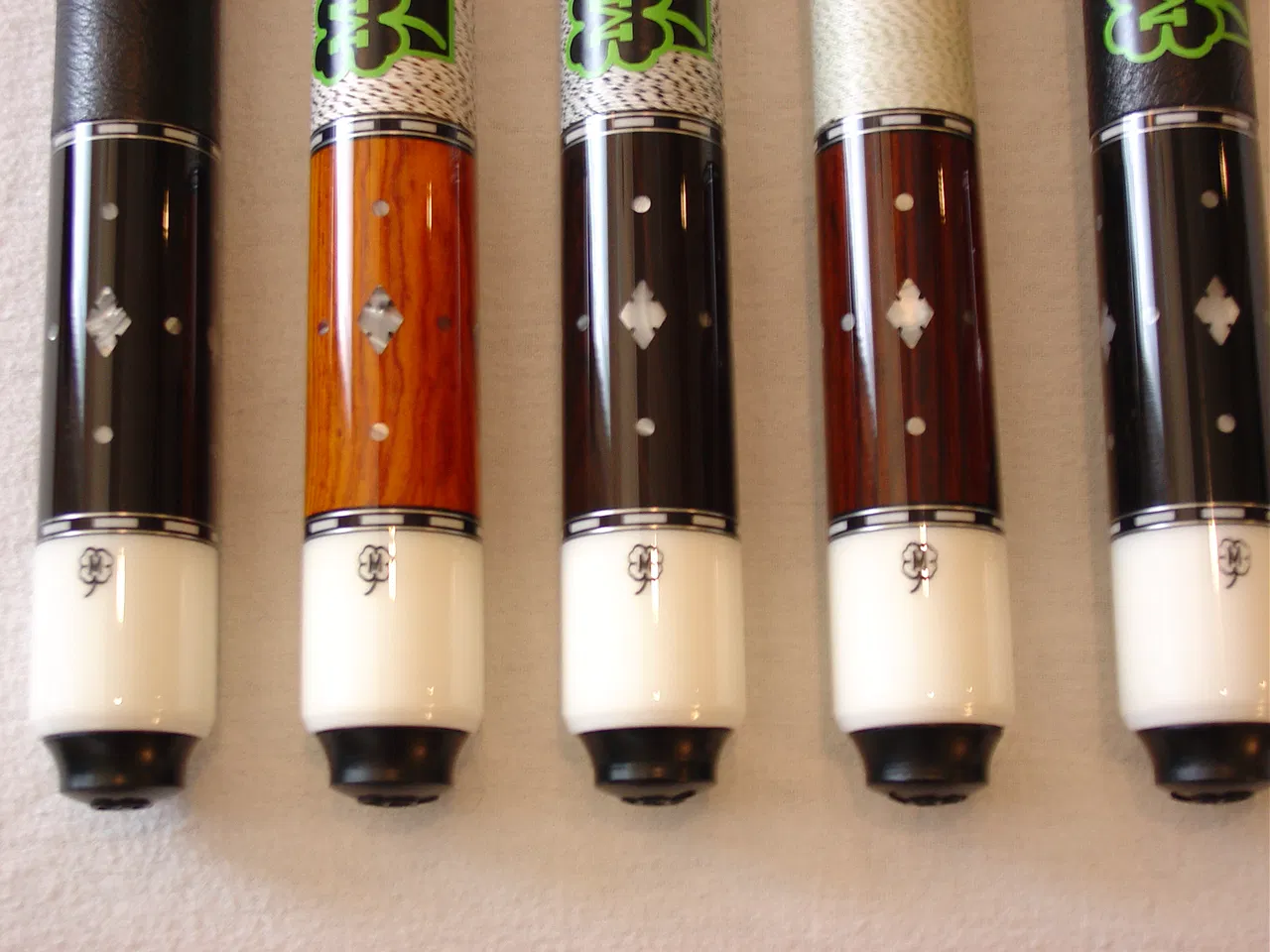
Best Pool Cues in 2026: The Complete Buying Guide by Budget
A budget-by-budget guide to 2026's best pool cues: manufacturer specs, honest price tiers, and how to match a cue to your skill level.
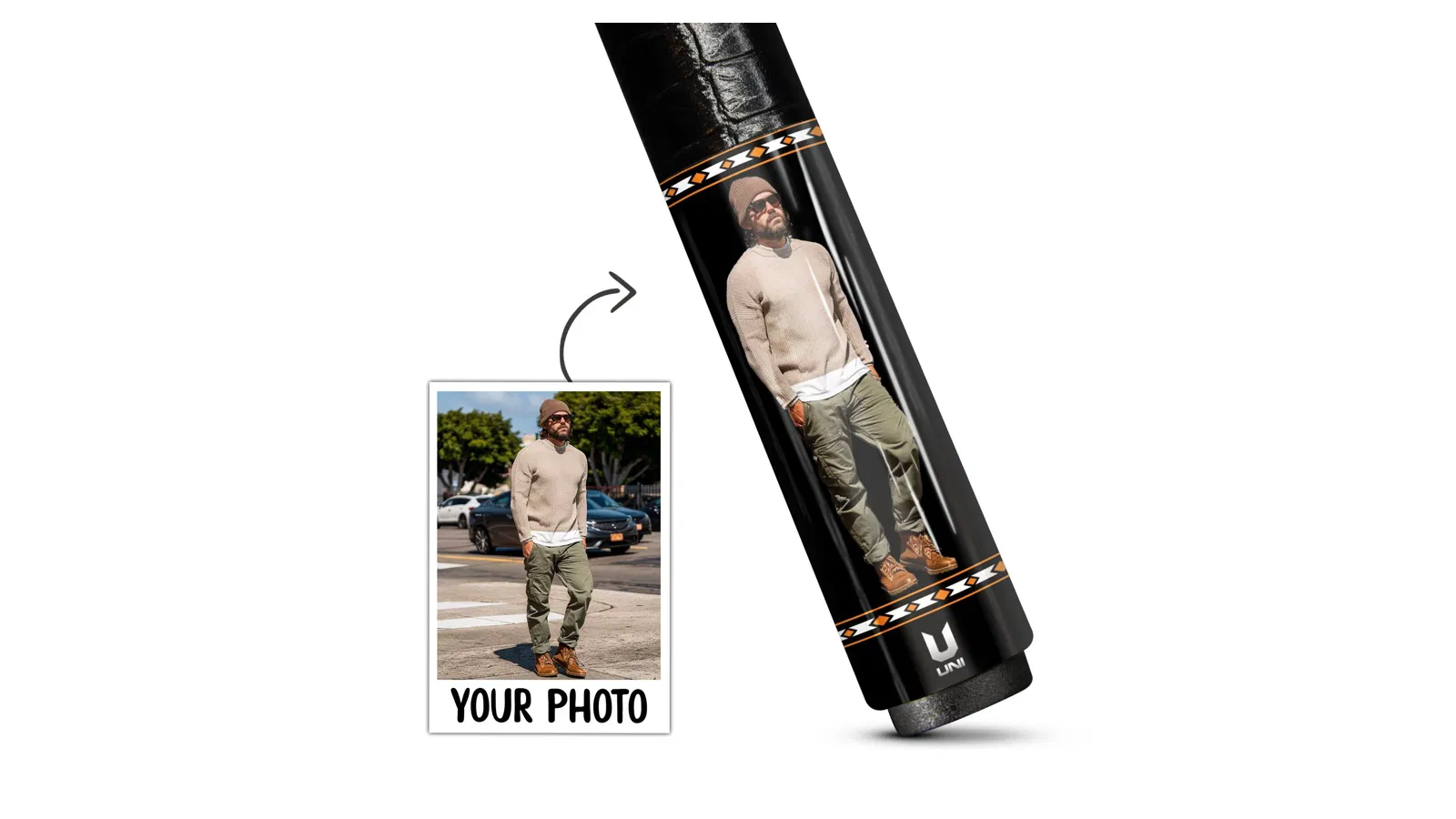
Uni Photo Pool Cue: Personalization, Shaft Options and Price
A closer look at Uni's personalized photo pool cue: the $281 listing, carbon versus Standard glass fiber wording, printed finish, and ordering checks.
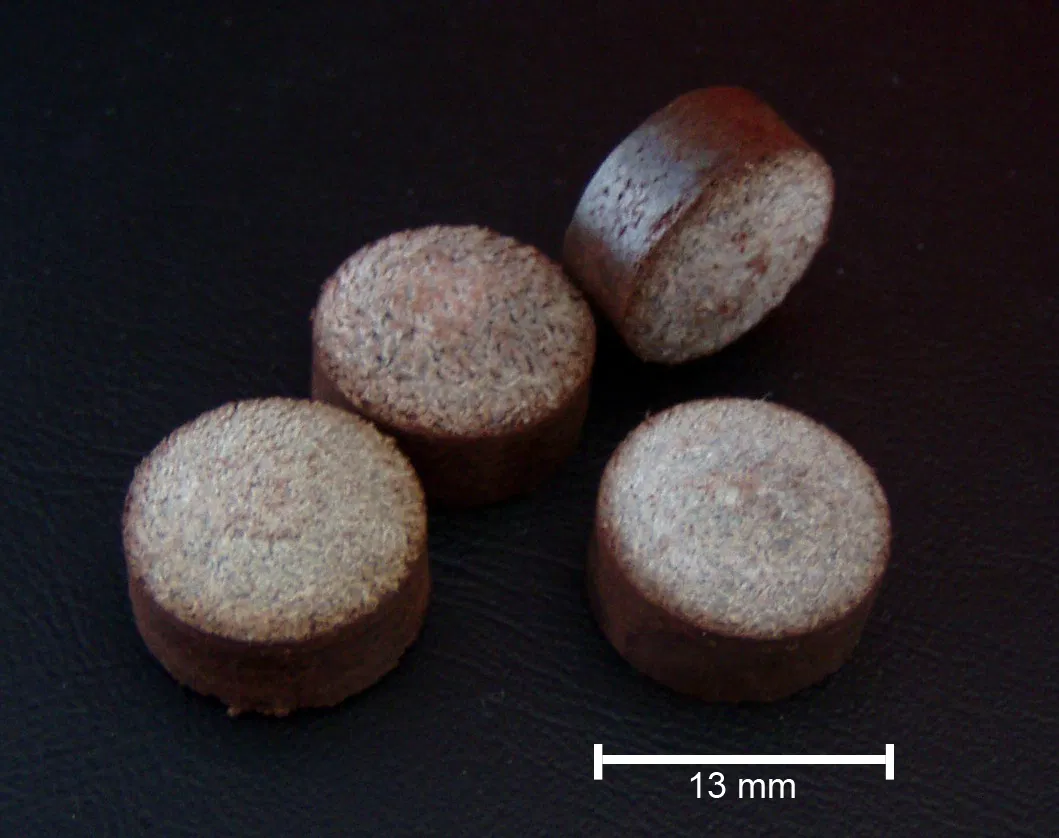
How to Replace a Pool Cue Tip: DIY Steps, Tools and Mistakes
A leather tip is a blade, gel super glue and patience away. The home retip step by step — facing the ferrule, centering the tip, shaping the dome — plus when to pay a shop.