How to Choose Your First Pool Cue: A Beginner's Guide
A first cue is a consistency purchase, not a performance one — which changes what you should actually pay for.
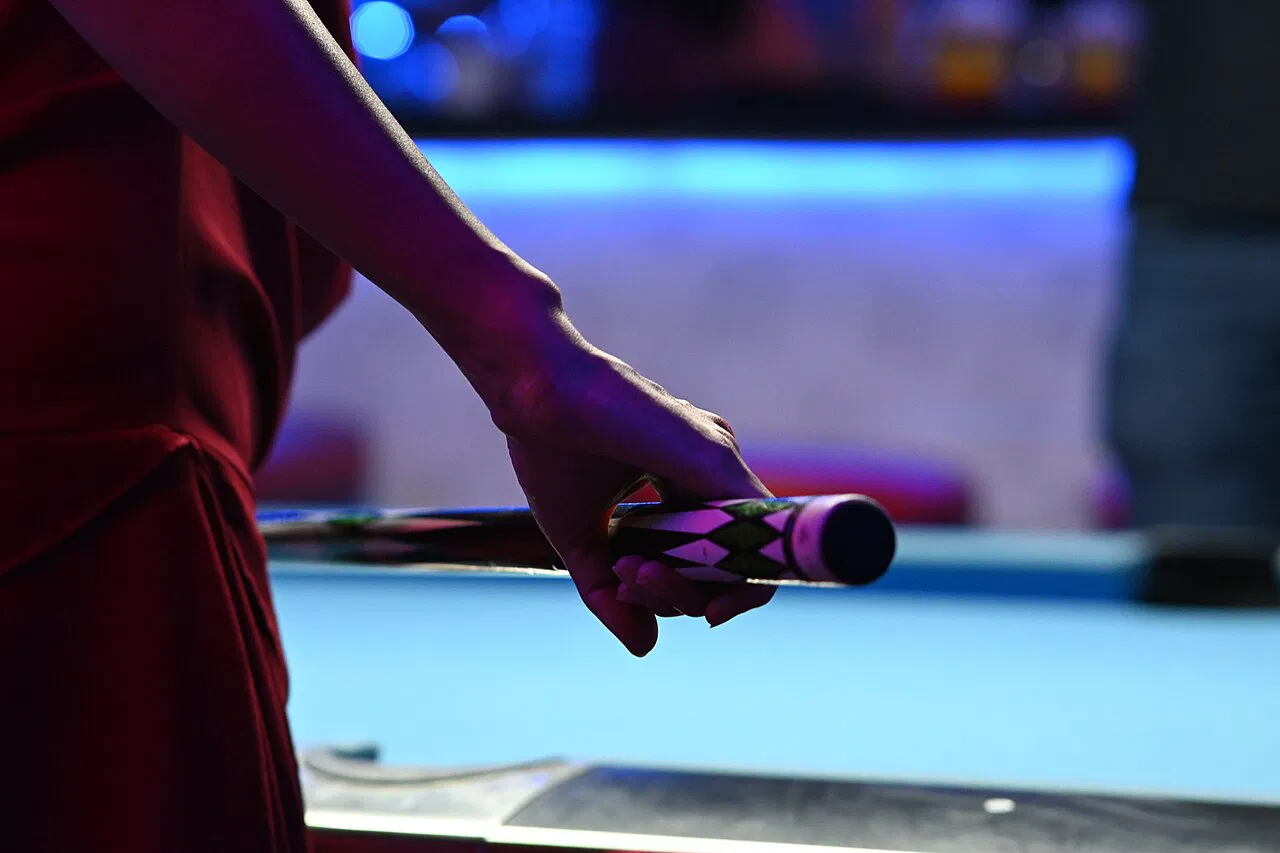
A first pool cue is not a performance purchase — it is a consistency purchase. Everything a beginner needs from a cue reduces to one job: behave the same way on every stroke so your misses start meaning something. That framing changes nearly every buying decision, and it is the frame this guide uses throughout.
Here is what actually matters, what the entry-level market charges for it, which specs you can ignore for now, and a short checklist to run before money changes hands.
Start with the job description, not the shelf
House cues exist so nobody has to buy a cue to play. They also vary in weight, straightness and tip condition from one wall to the next — which is exactly the problem. Dr. Dave Alciatore's standard advice on selecting a cue boils down to picking something comfortable and repeatable, then staying with it, because consistency compounds faster than spec-shopping pays.
So the real requirement for a first cue is narrow: straight, a standard size, a predictable hit, and cheap enough that replacing it later — when your stroke can tell you what it wants — costs nothing emotionally. Everything beyond that is preference, and preference is a terrible thing to pay for before you have one.
The budget tiers, honestly
Under about $60 — department-store and Amazon-bundle cues. These are real cues in the technical sense, but quality control at this price is a lottery: warped shafts, off-center tips and soft ferrules are common enough that checking one before buying is mandatory, not optional. If this is genuinely all the budget allows, the roll test below is your only protection.
$100–$250 — the entry-level production sweet spot. This is where the first-cue decision actually lives. Two examples anchor the range with published specs: the Valhalla VA112, marked at $150 on Viking's own store, ships a hard-rock-maple shaft and forearm, linen wrap, high-impact ferrule and an interchangeable weight-bolt system — plus a lifetime warranty that explicitly covers warpage. McDermott's Lucky line starts around $135 and runs to the L65 at a $235 MSRP, offering maple construction with Irish linen and graphic overlays. At this tier you are paying for factory consistency, a warranty, and parts that behave the way the spec sheet says.
$280–$450 — mid-range and entry carbon. Carbon-fiber shafts have dropped into this band: custom carbon cues at Prime Cues, for example, list between roughly $282 and $424 depending on design and trim, with tip and joint options selectable at checkout. Carbon buys durability and low deflection rather than feel — our carbon and composite shaft explainer covers the trade — and at first-cue level it is a reasonable choice, not a necessary one.
Above $450 — wait. At this point you are paying for inlays, exotic woods and brand prestige, none of which hits a ball better. Come back when your stroke can articulate why it wants something specific.
The five specs that actually matter
Length: take the 58-inch standard. Nearly every production pool cue is 57–58 inches, and it suits essentially every adult. Shorter cues exist for children and tight home spaces — our cue length explainer covers when those make sense — but a first cue should be full-size.
Weight: start at 19 oz. Playing cues run roughly 18–21 oz and 19 is the industry default for a reason: enough mass for a stable stroke, light enough to accelerate. The honest answer to "what weight is best" is "the heaviest cue you can still accelerate accurately" — unknowable before you own a stroke, so take the default. The full physics case is in our pool cue weight guide. A cue with a weight-bolt system, like the VA112, lets you adjust later instead of re-buying.
Tip size: 12.5–13 mm, medium hardness. Pool cue tips commonly run 12–13 mm, and entry cues ship with a medium leather tip — the right default, since soft and hard tips trade miscue resistance against feel in ways only experience can price. Our tip hardness guide explains the trade for when you eventually re-tip.
Wrap: pick for your hands, not your eyes. Irish linen wicks sweat and grips; wrapless (bare wood) is smoother and cheaper; leather and rubber sit between. None plays better — our wrap types explainer is a five-minute read — so choose whichever feels secure in your bridge hand.
Two-piece, always. A first cue should break down at a joint for transport. One-piece cues are for walls and bars. Joint type itself — 5/16x18, 3/8x10, Unilock — barely matters at this level; our joint types explainer shows why it matters more when you start swapping shafts.
What not to overthink
- Straightness of the "pro taper" debate. Taper shape changes feel across the bridge, not results. Pro vs conical taper is a real choice — later.
- Carbon vs maple anxiety. Both make perfectly good first cues. Maple is cheaper and traditional; carbon is straighter for longer and shrugs off humidity. Wood types and the composite explainer cover the materials; at $150 versus $300+ the honest difference is budget, not destiny.
- Balance point. It shifts with weight bolts and butt construction and means little until your stroke is repeatable — our balance point explainer is there when it starts to matter.
- A break cue. Not yet. One playing cue is the whole job — do you need both answers why the second cue can wait.
Three checks before you pay
- The roll test. Assemble the cue and roll shaft and butt separately across a flat table, watching the tip and the joint end for wobble. Any visible hop means warp — walk away, or at minimum discount heavily. The full method, including the mistake of rolling a two-piece while joined, is in how to tell if a cue is warped.
- Tip and ferrule centered. The tip should sit centered on the ferrule with no overhang, dome-shaped, no cracks or delamination. A crooked factory tip is a quality-control tell for the whole cue.
- Joint fully seated. Screwed together snug, the shaft and butt should meet flush with no visible thread and no lateral play. Try a practice stroke — the cue should feel like one piece, because it now is.
Buying used follows the same checks plus a few more — what to check on a used pool cue covers chalk damage, refinished wraps and joint wear.
If you want it narrowed to a name
For a first two-piece at the entry tier, the Valhalla VA112 vs McDermott Lucky L65 comparison is the cleanest published matchup: the VA112 at $150 is the value pick — fuller spec sheet, weight-bolt adjustability, lifetime warranty including warpage — while the L65 at $235 MSRP buys McDermott's Lucky graphics and linen wrap. If you want carbon at a similar decision size, Prime Cues' customizable carbon line runs roughly $282–$424 with selectable tip sizes and joints — a different trade: durability and LD behavior in exchange for more money and a non-traditional hit.
None of these is the "right" cue. They are all consistent cues, which is the entire point of a first one.
The bottom line
Buy straight, buy standard, buy cheap enough to outgrow. A $150 straight cue with a 19-oz default and a medium 13 mm tip will teach you more about your own stroke than a $500 cue chosen on looks — because every miss will be your miss, not the cue's. When your stroke starts having opinions, that is the day to spend real money. Until then, spend it on table time.
How much should a beginner spend on a first pool cue?
$100–$250 buys factory-consistent production cues with real warranties — the Valhalla VA112 at $150 is the reference point. Below ~$60 quality control becomes a lottery; above ~$300 you are paying for aesthetics and materials your stroke cannot use yet.
What weight and length should a first cue be?
19 oz at the standard 57–58 inches. Both are industry defaults, and a weight-bolt-equipped cue lets you adjust the ounces later without re-buying.
Is a carbon fiber cue good for a beginner?
It works, but it is not necessary. Carbon buys warp resistance, durability and low deflection — valuable traits — at roughly double the entry-wood price. A straight $150 maple cue teaches the same fundamentals.
Should my first cue be one piece or two?
Two-piece. It unscrews at a joint for transport and storage, and nearly every production playing cue is built this way. One-piece cues are house and bar equipment.
Can I just keep using house cues?
You can, but house cues vary in weight, straightness and tip condition — the exact inconsistency a first cue exists to remove. If you play weekly, owning one consistent cue is the cheapest improvement available.
Sources
- Dr. Dave Alciatore: Selecting a cue — comfort-and-consistency-first selection advice, and why a repeatable cue outranks spec-shopping
- Dr. Dave Alciatore: Cue optimal weight — 19 oz as the common starting point; the "heaviest you can still accelerate" framing
- Viking Cue — Valhalla VA112 — $150 displayed price, hard-rock-maple build, 5/16x18 joint, interchangeable weight-bolt system, lifetime warranty including warpage, 18–21 oz options
- McDermott Cue — Lucky L65 — $235 MSRP, maple construction, Irish linen wrap, 3/8-10 joint
- Aska Billiards — McDermott Lucky Pool Cues Review & Comparison — Lucky line pricing from ~$135 across the range
- Prime Cues — custom carbon fiber pool cues — customizable carbon cues listed at roughly $282–$424.50 with selectable tip size and joint options
- Seybert's — How to Choose a Cue Stick for Beginners — try-before-you-buy advice and return-policy notes
- Wikipedia: Cue stick — standard 57–58 in length, 12–13 mm tip range, 17–21 oz playing-cue range
More coverage
Keep reading
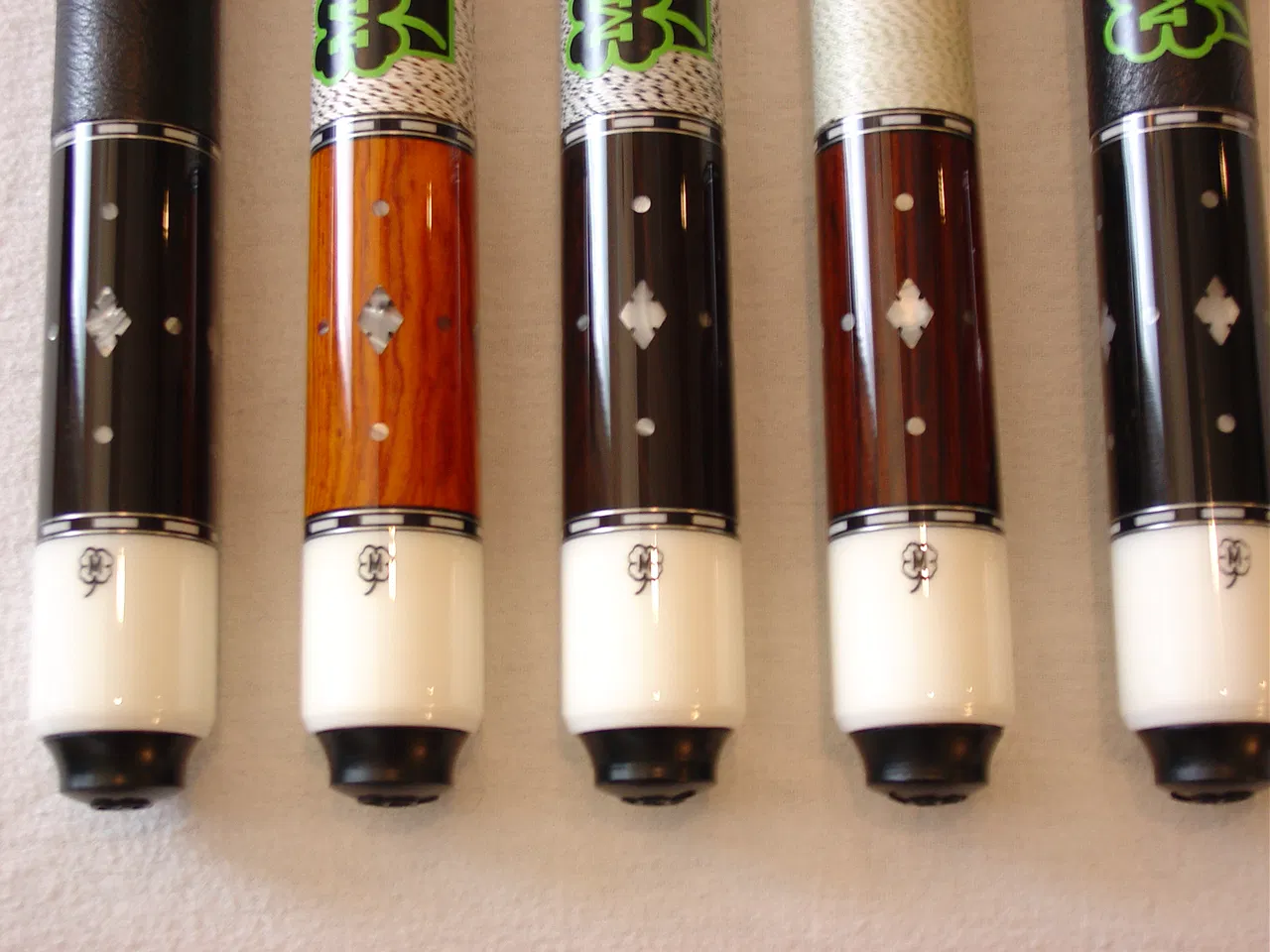
Best Pool Cues in 2026: The Complete Buying Guide by Budget
A budget-by-budget guide to 2026's best pool cues: manufacturer specs, honest price tiers, and how to match a cue to your skill level.
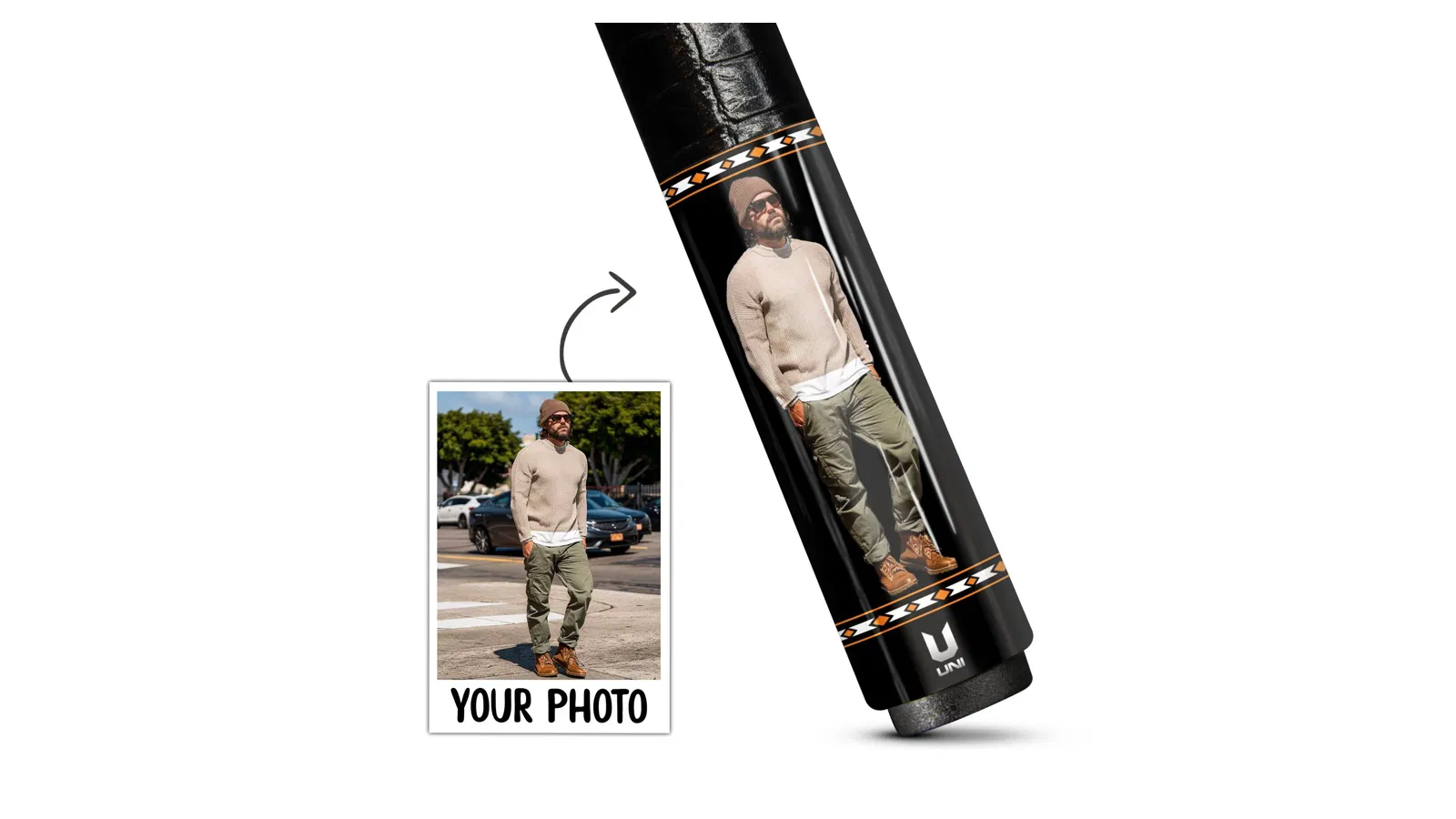
Uni Photo Pool Cue: Personalization, Shaft Options and Price
A closer look at Uni's personalized photo pool cue: the $281 listing, carbon versus Standard glass fiber wording, printed finish, and ordering checks.
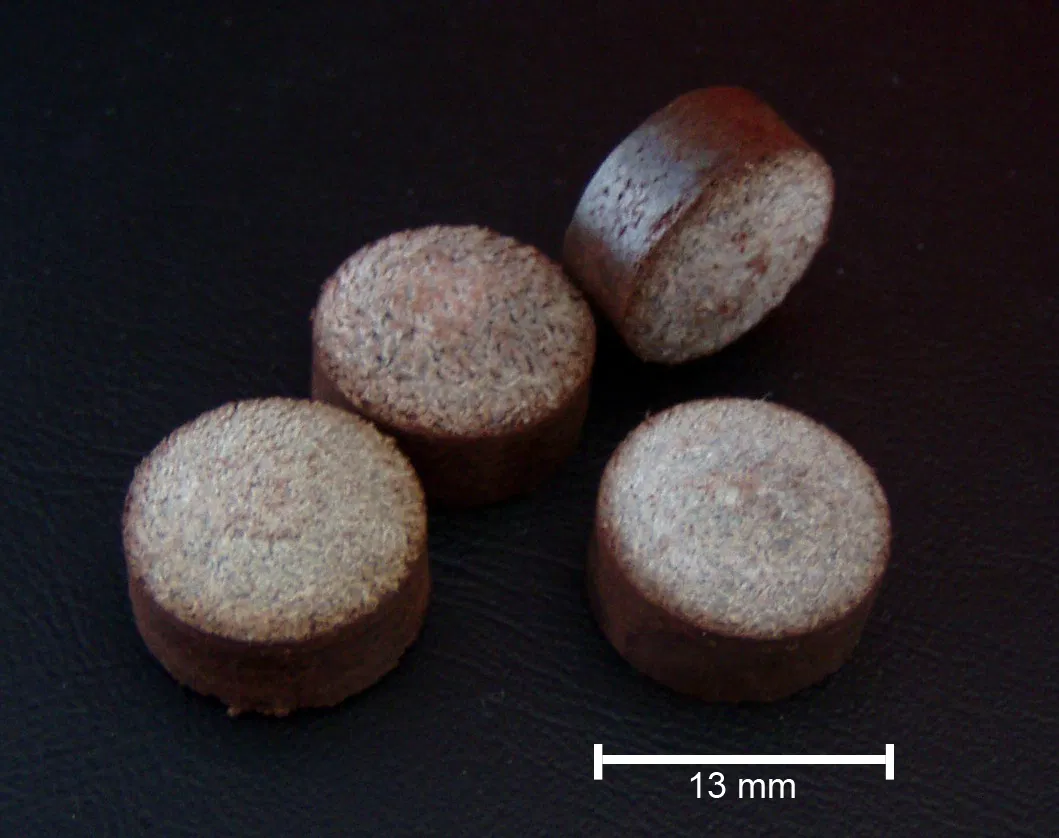
How to Replace a Pool Cue Tip: DIY Steps, Tools and Mistakes
A leather tip is a blade, gel super glue and patience away. The home retip step by step — facing the ferrule, centering the tip, shaping the dome — plus when to pay a shop.