Buying a Used Pool Cue: What to Check Before You Pay
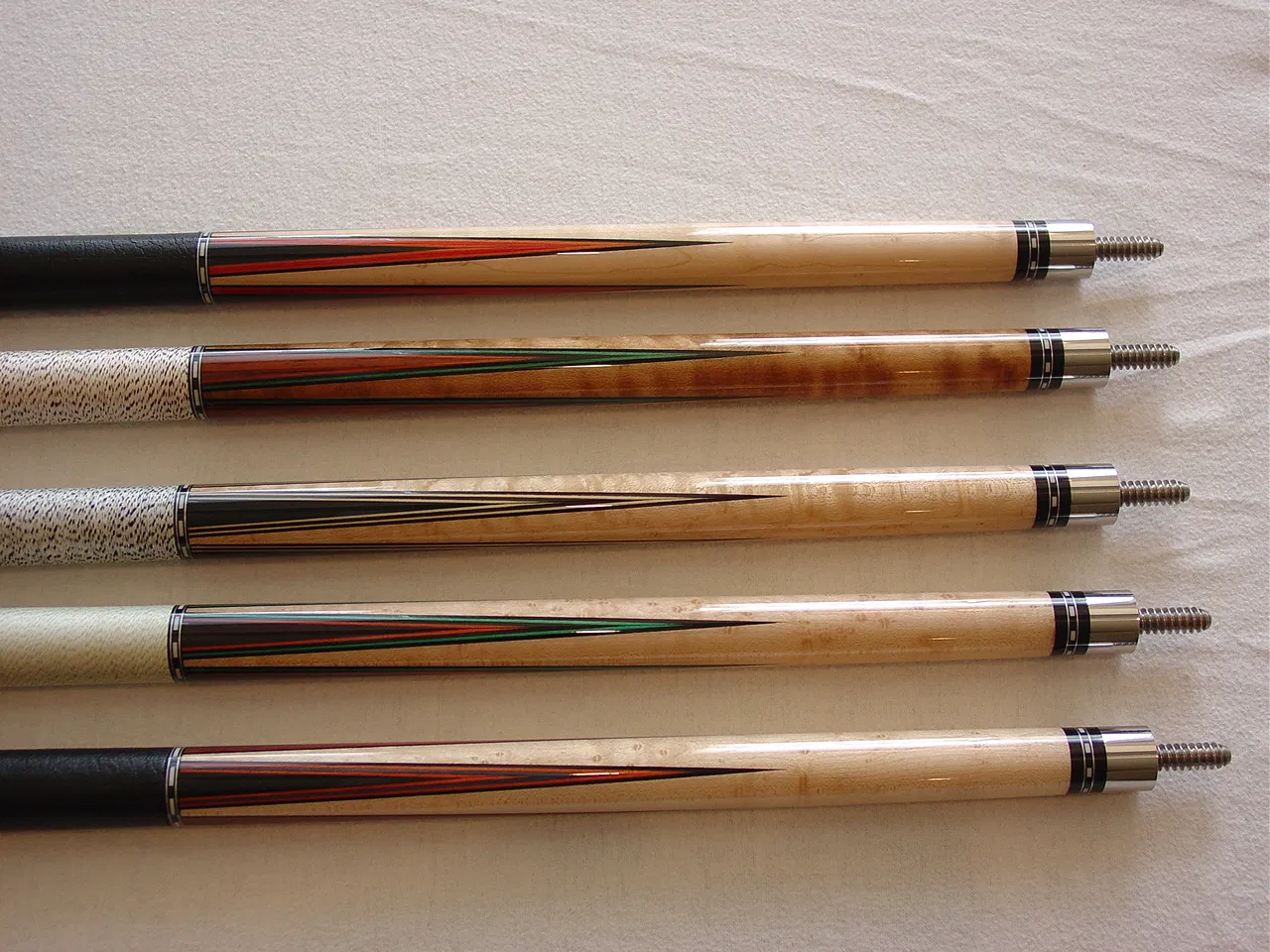
A used cue usually beats a new one at the same price — if it passes inspection. The 10-minute check, the repairs worth pricing in, and the warranty catch.
Brand & Topics
A used cue usually beats a new one at the same price — if it passes inspection. The 10-minute check, the repairs worth pricing in, and the warranty catch.
Dime or nickel? The curve on a cue tip is measured in coins — what the radius actually changes, the one sizing rule that matters, and how to keep it.
A cue's balance point rarely makes the spec sheet, but it shapes how the same weight feels. What it is, where it sits, and when it matters.
Rolling a cue on the table is the classic warp check — and it's misleading. Sight the shaft instead. Here's how, and what a warp actually costs you.
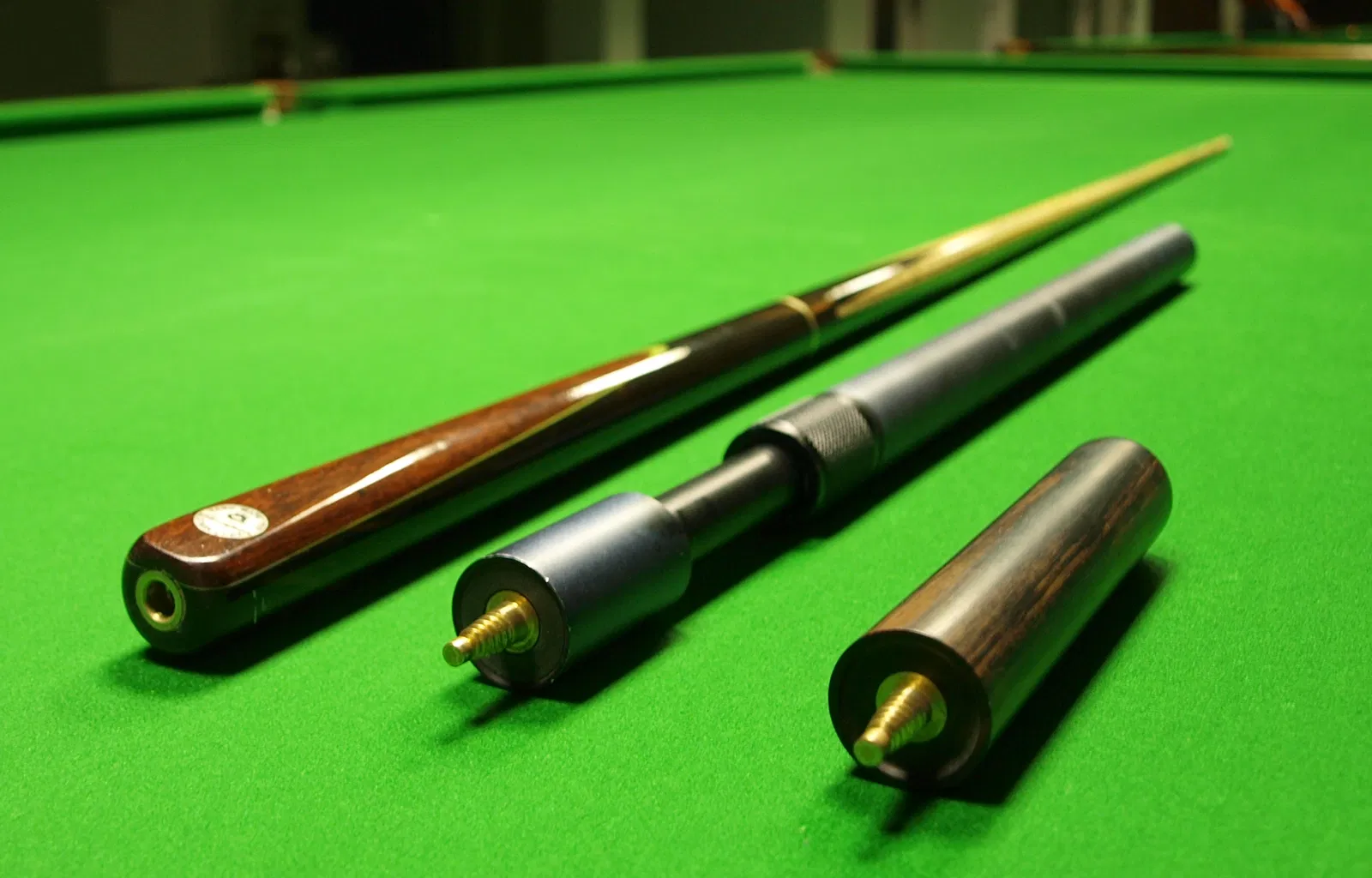
Pool cues run about 58 inches, but short cues, extensions and pro customs all bend that rule. Here is what each length is for — and which fits you.
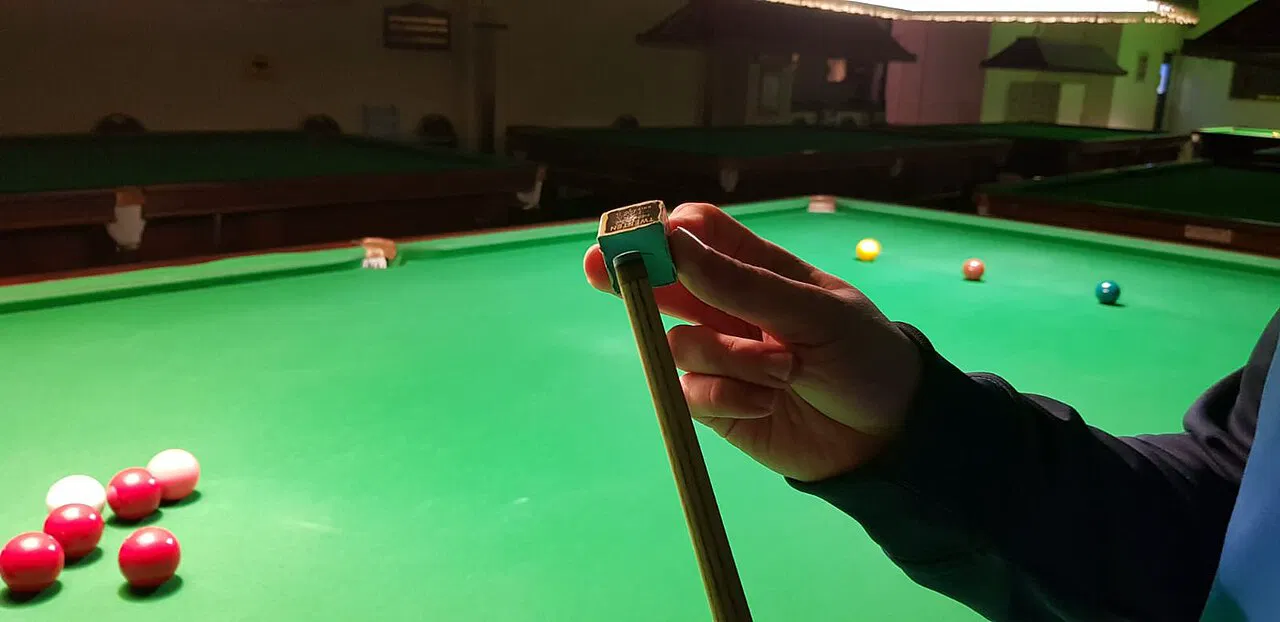
Leather tips wear slowly, then fail quietly. How long a cue tip lasts at your play frequency, the signs it is done, and what the swap costs.
Break cues are built differently from playing cues — harder tips, stiffer shafts, different tapers. What the design changes, what it costs, and who actually needs one.
Irish linen, leather, rubber, sport grips or no wrap at all — what each pool cue wrap changes in grip and sweat control, and what rewrapping costs.
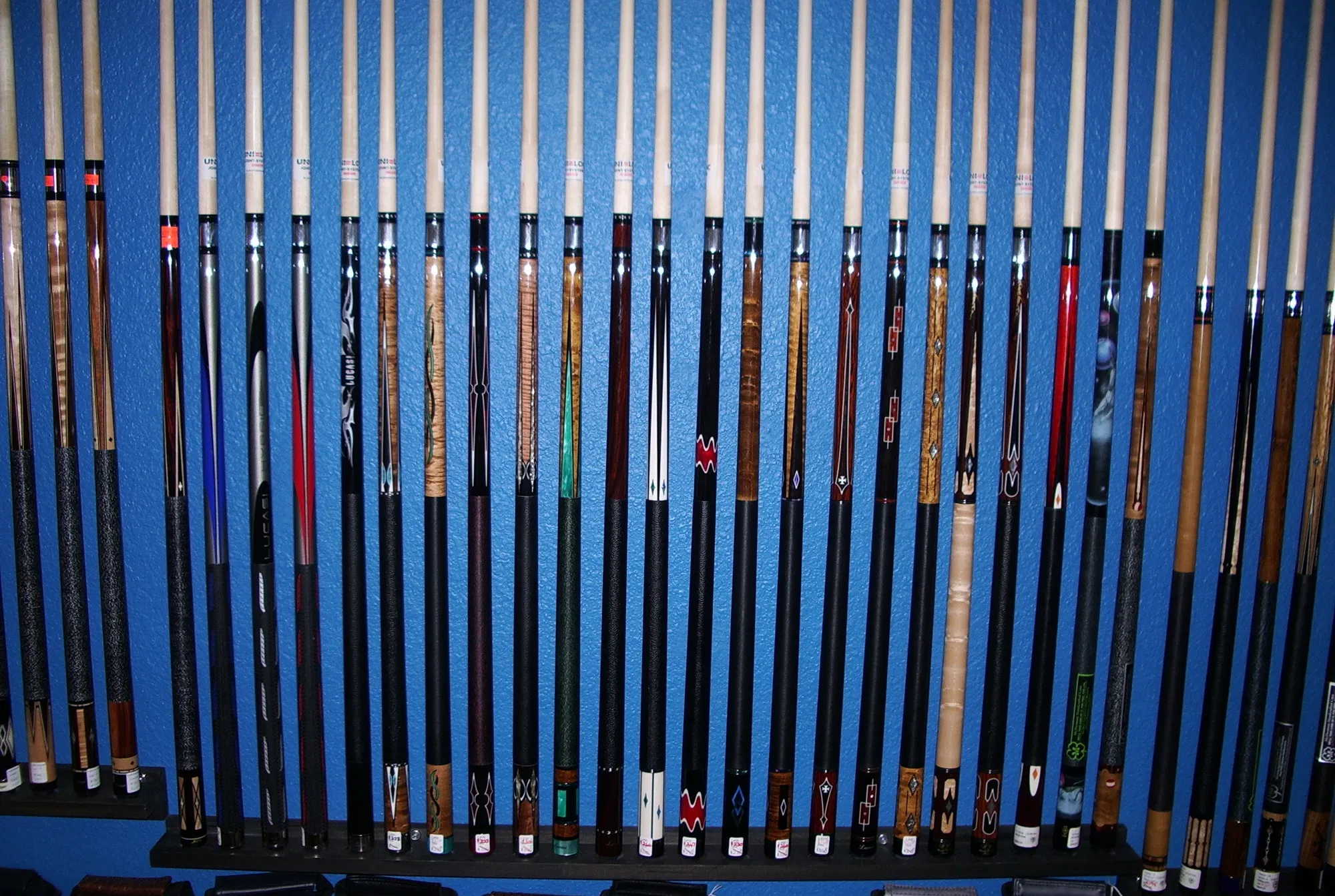
What pool cue joint pins (3/8×10, 5/16×14, Uni-Loc, Radial) actually are, what they change in feel, and why the joint matters for shaft upgrades.
What cue tip hardness actually changes — feel, energy transfer, chalk grip and upkeep — measured against durometer data and Dr. Dave's testing.
How to choose a pool cue weight: what 18, 19 and 21 oz actually change, who each tier suits, the myths to drop, and a one-session test before you buy.
What cue weight, tip diameter, and shaft material actually change at the table — and which specs matter most when buying your first pool cue.