When to Replace a Pool Cue Tip: How Often and the Signs It's Time
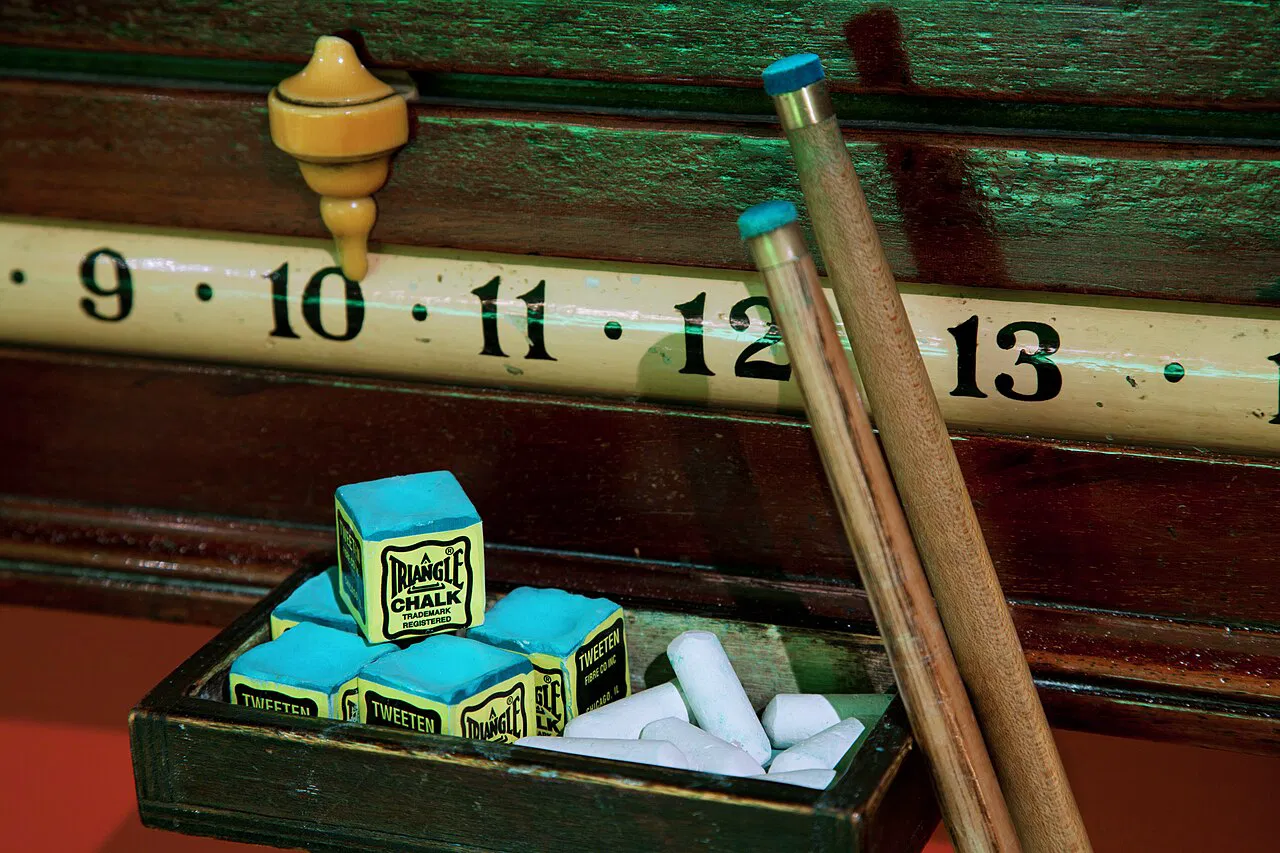
A pool cue tip is the only part of the cue that touches the ball, and the cheapest part to replace — yet leather wears so gradually that most players only notice after the miscues start. Here is how long a tip actually lasts, the signs that matter more than the calendar, and what the swap costs.
The Short Answer: It Depends on You, Not the Calendar
Every credible source gives a range, not a date — because tip life is set by how you play and how you chalk, not by months:
- PoolDawg's rule of thumb: replace every few months if you play often, roughly once a year for casual play.
- Predator's care guide puts the window at about 6–24 months, depending on how much you play.
- Dr. Dave goes further in the other direction: a hard tip, chalked properly before every shot and left unscuffed, can last several years of regular use.
- Seybert's expects a quality tip to keep a nicely rounded dome for at least a year with average use.
All four agree on the real rule: the calendar is only a reminder to look. The condition of the tip makes the decision.
The Signs That Overrule the Calendar
Worn down to the ferrule. This is the hard stop. Dr. Dave's criterion: almost no tip material left on the shoulder of the ferrule. Seybert's phrase for the same wall: worn to about the thickness of a dime. PoolDawg's version: the sides of the tip thinner than a fingernail's width. Any of the three means replace — and a too-thin tip also plays harder than it did new, quietly changing your hit. Our tip hardness guide covers that drift.
It stops holding chalk. If scuffing no longer restores a chalky surface — the tip is glazed or hardened — it is done, per both Dr. Dave and Seybert's. This is the failure that announces itself as a miscue before it shows up as a visible problem.
Mushrooming past the ferrule. Leather that spreads wider than the ferrule is flaring. Predator's check: if the tip's edge overhangs the ferrule, trim or replace it. Trimming is cosmetic maintenance — but a badly mushroomed tip left too long can damage the ferrule itself, turning a cheap tip swap into a more expensive ferrule repair.
Flattened or misshapen beyond reshaping. A playing tip should keep a dome — roughly the radius of a nickel or dime. If a shaper can no longer bring the curve back, Seybert's counts that as replacement time.
Physical damage. Delamination on a layered tip, cracking, or a failing glue joint — no maintenance fixes those. Dr. Dave's Billiards Digest equipment-care column and PoolDawg both send those straight to replacement.
The feel wandered. Tips compress with play and drift toward a common hardness — one reason pros swap on a schedule instead of waiting for visible wear. If your cue suddenly plays differently, the tip is the first suspect.
Why Your Friend's Tip Lasts Longer Than Yours
Same leather, different habits:
- Chalking is maintenance, not ritual. Chalk is slightly abrasive, so chalking before every shot keeps the tip surface fresh on its own, Dr. Dave notes. The flip side: non-abrasive "cosmetic" chalks that go on like lipstick do not refresh the surface and can add cling (skid). Which chalk actually matters is a separate debate.
- Scuffing and shaping cost leather. Every time you reshape the dome or scuff a glazed surface, you remove material — Dr. Dave's warning is that shaping wears the tip down faster and pulls the next replacement closer. Scuff only when chalk stops sticking.
- Breaking on your playing tip. Power breaks flatten a shaped dome a little at a time — one of the arguments for a dedicated break cue.
- Frequency is the multiplier behind every range above. League players cycling three nights a week sit at the short end; a weekly casual rack sits at the long end.
The Special Case: Carbon Shafts With No Ferrule
Some carbon shafts — Predator's REVO line — have no ferrule at all, and Predator's rule is absolute: tip replacement on those belongs to an authorized Predator Repair Center, not a home bench or a general shop. If a non-authorized technician does the work and the red V-TEK Tip Silencer ends up thinner than 0.010" (0.25 mm), the Limited Lifetime Warranty is void. Our carbon cue care guide covers the rest of carbon upkeep.
What the Swap Costs
A premium laminated tip runs $20 and up — PoolDawg's figure; Kamui's listed range is $27–34. Then installation: new tips arrive oversized and must be trimmed flush to the ferrule and shaped. PoolDawg recommends letting a cuesmith do it unless you are patient with a dedicated tool; Dr. Dave's site carries a full DIY procedure for the determined. The expensive version of this job is the one you delay — the ferrule repair Predator warns about costs more than any tip.
Labor itself is the small part of the bill. Seybert's published repair list charges $15 to install a tip bought there, $20 for a tip you supply, with a 1–2 day turnaround; a new linen ferrule including a tip runs $50. LeaguePool compiled the published price lists of thirteen US shops and cue factories, and the ranges line up: $15–30 installed for a standard leather tip, $30–65 for a layered tip, $40–50 plus the tip for a new ferrule.
Also budget the break-in: a fresh tip needs shaping and a few racks before it plays like yours.
The Bottom Line
Look at the tip monthly. Replace it when it stops holding chalk, mushrooms past the ferrule, thins toward a dime's edge, delaminates, or plays differently — whichever comes first. Casual players land near a year, league regulars closer to a few months, and a hard tip chalked faithfully can outlast all of that. The check is free and the part is cheap — it is the one piece of the cue designed to be consumed. Spec shopping continues in the pool cue specs explainer and the Cue Database.
Sources
- Dr. Dave — How to Replace a Cue Tip — replacement triggers, multi-year tip life with proper chalking, DIY procedure
- Dr. Dave — Equipment Care (Billiards Digest, June 2021) — replace when chalk will not stick after scuffing, on damage or glue failure; nickel-or-dime radius; scuffing wears tips faster; cosmetic chalks and cling
- Dr. Dave — Cue Tip Types — tips drift toward ~76 Shore D; scheduled pro swaps
- Seybert's — How Should a Pool Cue Tip Look — replacement indicator list
- Seybert's — When to Change Your Pool Cue — ~1 year dome retention, dime-thickness rule, cue rotation
- Seybert's — Pool Cue Repair — published labor rates: $15 install with purchased tip, $20 customer-supplied, $50 linen ferrule including tip
- Predator — Cue Care Guide: Chalk, Holders & Tip Replacement — mushrooming check, ferrule damage risk
- Predator — Carbon Fiber Shaft Cleaning — 6–24 month window, REVO authorized-repair rule, 0.010" Tip Silencer minimum
- PoolDawg Academy — Tip Maintenance — fingernail-width rule, months-vs-year cadence, $20+ premium tips, cuesmith recommendation
- LeaguePool — Pool Cue Repair Costs — 13-shop compiled ranges for retip and ferrule work
- Kamui — Standard Black tip (manufacturer store) — listed prices $27–34
Cover photo: Jorge Royan, CC BY-SA 3.0, via Wikimedia Commons.
More coverage
Keep reading
Sneaky Pete Cue Explained: The House Cue That Isn't
A Sneaky Pete is a quality two-piece cue built to look like a cheap bar cue — plain outside, serious inside. The history, the tells, and what they cost.
Pool Cue Wood Types: Maple, Ash, and What the Exotics Do
Maple rules the shaft, ash owns snooker, and ebony, cocobolo and rosewood dress the butt. What cue woods actually change — and what is decoration.

Pool Table Cloth Compared: Simonis vs Gorina vs Andy
Walk into any forum thread about reclothing an American pool table and the same three names surface within minutes: Simonis, Gorina and Andy. All three make…