Break Cue vs Playing Cue: Do You Need Both?
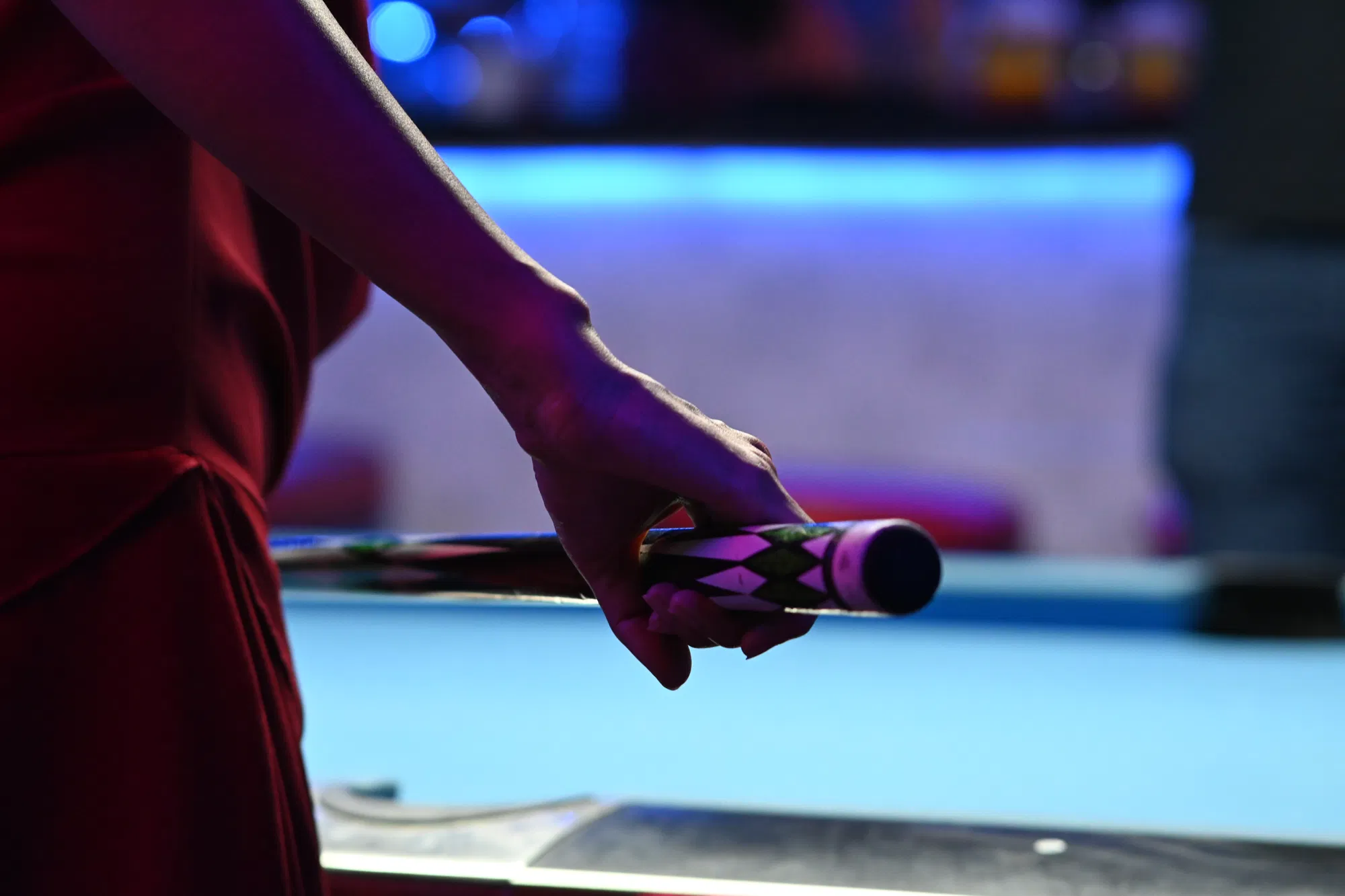
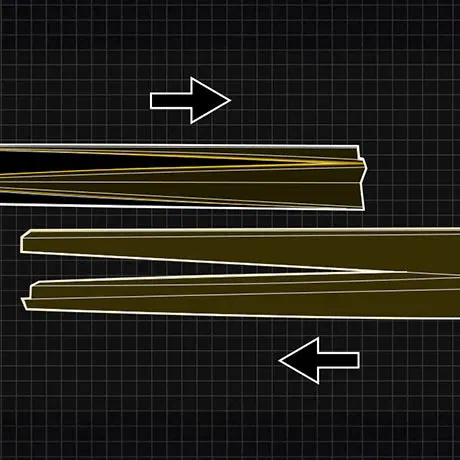
Break cues are built differently from playing cues — harder tips, stiffer shafts, different tapers. What the design changes, what it costs, and who actually needs one.
Section
Break cues are built differently from playing cues — harder tips, stiffer shafts, different tapers. What the design changes, what it costs, and who actually needs one.
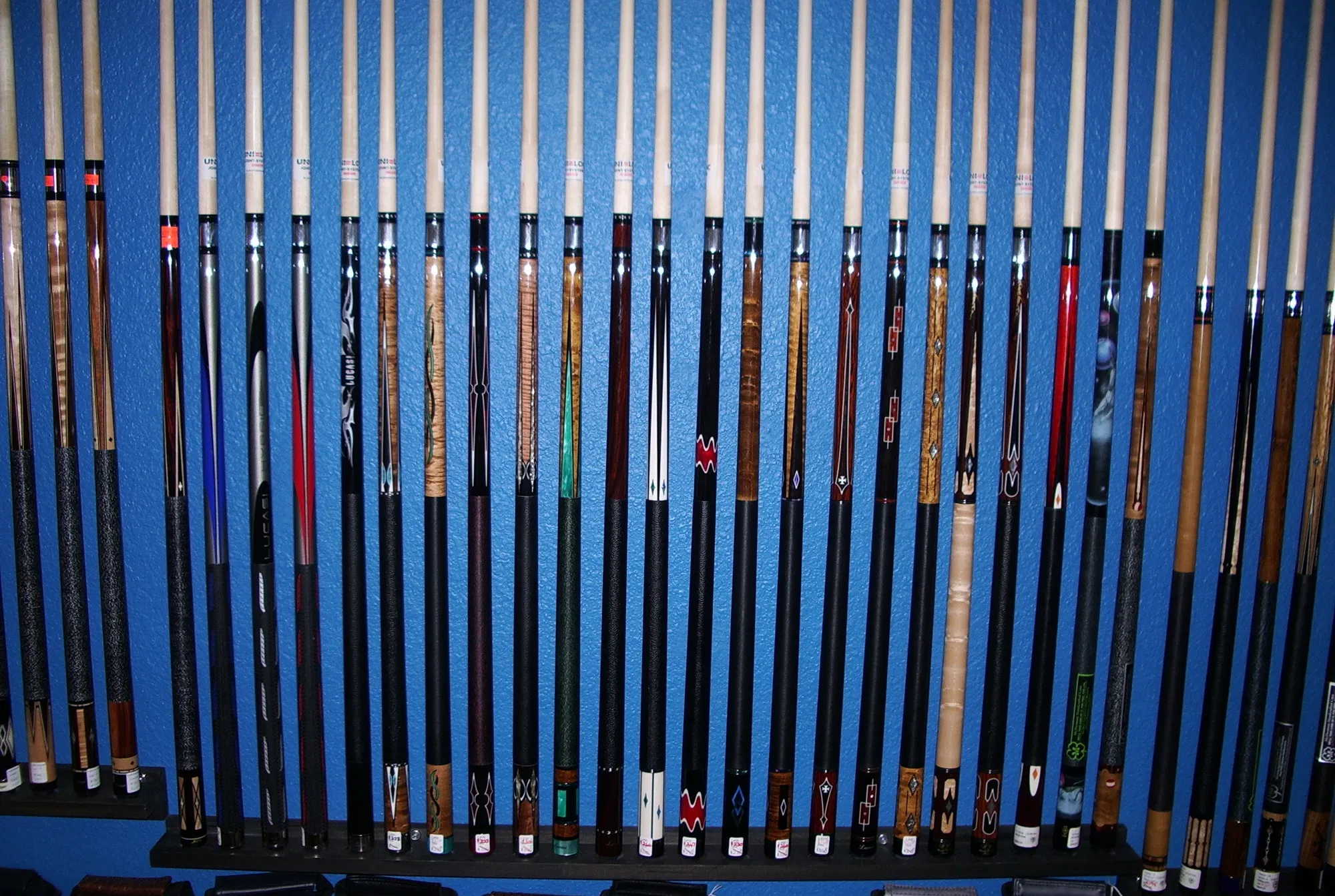
Irish linen, leather, rubber, sport grips or no wrap at all — what each pool cue wrap changes in grip and sweat control, and what rewrapping costs.
What pool cue joint pins (3/8×10, 5/16×14, Uni-Loc, Radial) actually are, what they change in feel, and why the joint matters for shaft upgrades.
What cue tip hardness actually changes — feel, energy transfer, chalk grip and upkeep — measured against durometer data and Dr. Dave's testing.
How to choose a pool cue weight: what 18, 19 and 21 oz actually change, who each tier suits, the myths to drop, and a one-session test before you buy.
What cue weight, tip diameter, and shaft material actually change at the table — and which specs matter most when buying your first pool cue.
Squirt pushes the cue ball off your aim line on every sidespin shot. What deflection really is, how much LD shafts actually cut it, and who needs one.
First cue buying guide — how much to spend and what actually matters at each price tier.
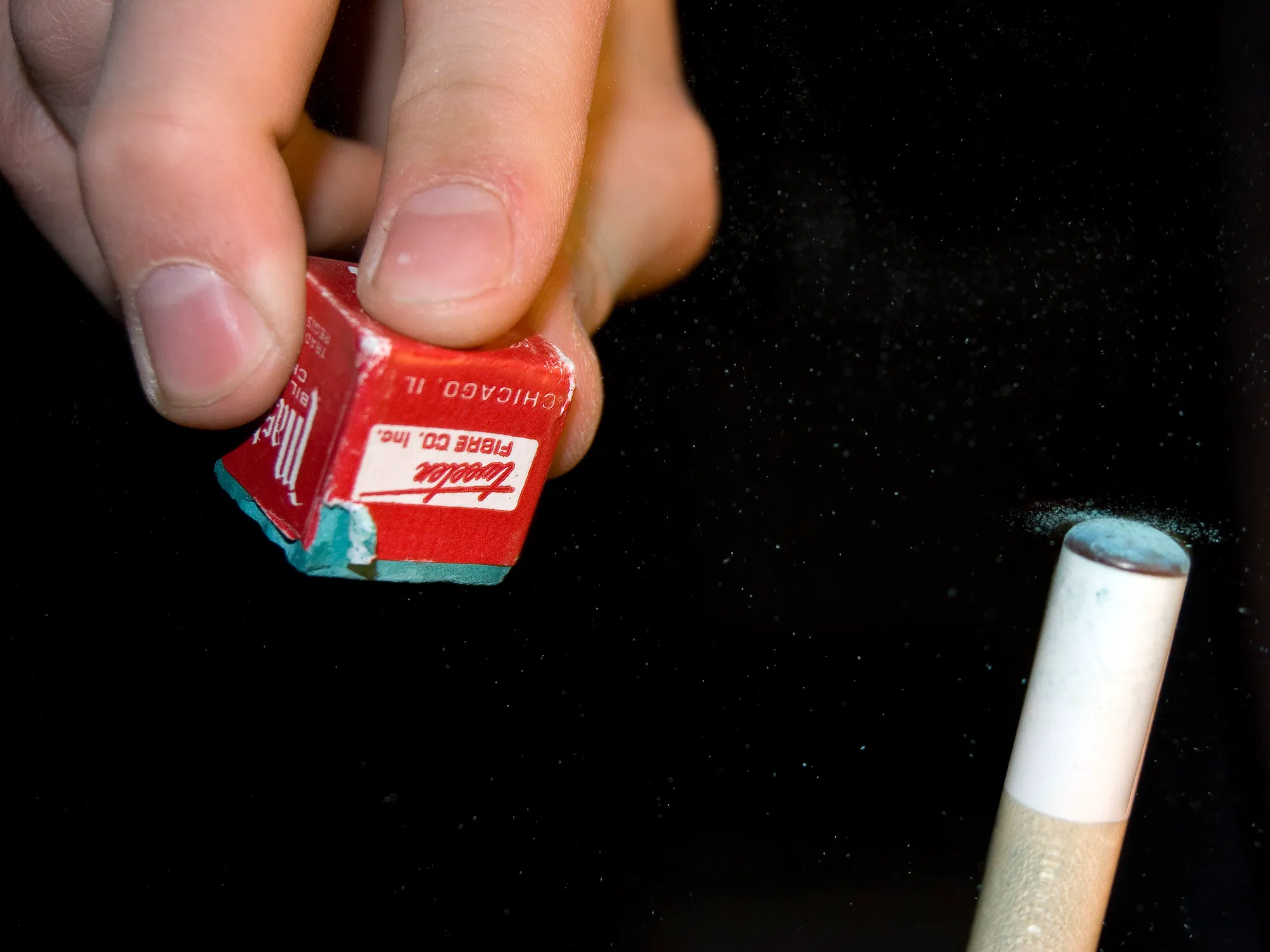
If you've ever walked into a pool room, you've probably seen everything from a free cube of blue chalk sitting on the table to players carefully protecting a…
For competitive players, the "feel" of a cue isn’t just a preference—it’s the feedback loop that dictates speed control, spin accuracy, and confidence under…
In the world of billiards, the table is a great equalizer. Physics doesn’t care about gender; the laws of friction, velocity, and tangential lines apply to…
How Can I Improve Consistency in My Pool Games? To improve your game requires consistency. Tough? Yes. Worth it? Yes.. If you want to play like a pro!